
Why Culturally Attuned Healthcare Matters for Caribbean Women
For decades, conversations about improving women’s healthcare have focused largely on expanding access to services, developing better treatments and advancing medical technology. These advances have undoubtedly saved lives. Yet they overlook another factor that increasingly shapes how women experience health and illness: culture.
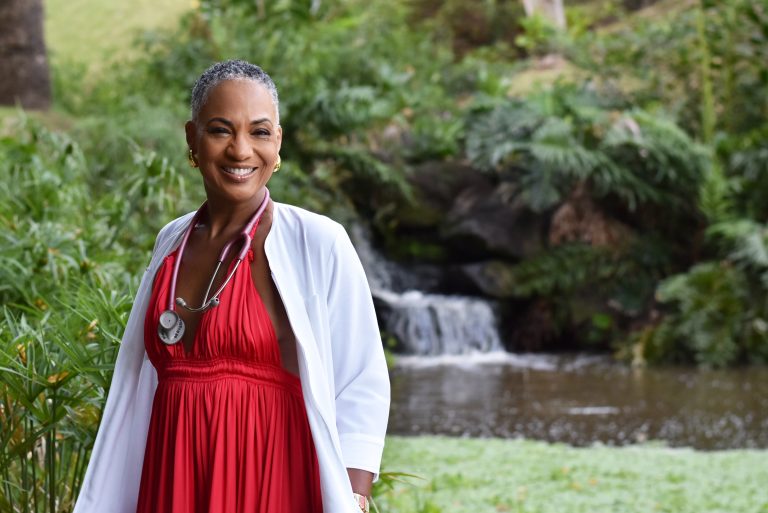
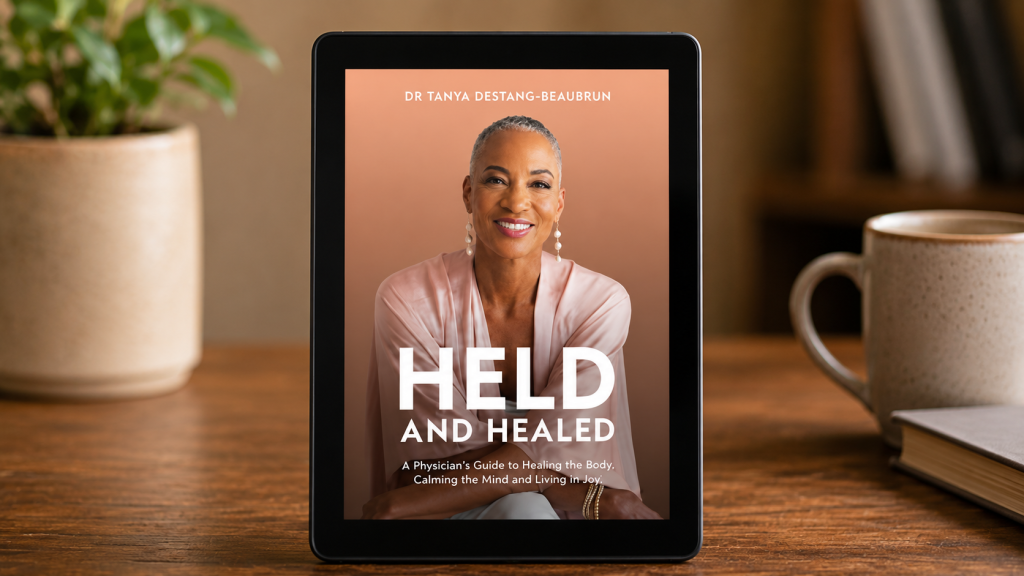
Few physicians have spent as much time thinking about that intersection as Dr. Tanya Destang-Beaubrun. A Saint Lucian family physician specializing in functional and integrative medicine, Dr. Tanya has spent decades helping women understand the connections between physical health, emotional wellbeing and the circumstances in which they live. Through her clinical practice, public education and new book, Held and Healed: A Physician’s Guide to Healing the Body, Calming the Mind and Living in Joy, she has become a leading advocate for a more holistic approach to women’s healthcare, recognizing that healing involves far more than treating disease.
[READ OUR ARTICLE ABOUT DR. TANYA HERE]
Over the years, that work has led her to a conviction that now sits at the heart of her philosophy. “The science is the same for everyone,” she says, “but we have to look at it from a culturally appropriate place.”
It is a deceptively simple observation, yet it challenges one of healthcare’s longstanding assumptions that evidence-based medicine alone is enough to meet every patient’s needs. Dr. Tanya argues that while disease may be universal, the lives patients bring into the consultation room are anything but. To care for women well, healthcare must understand not only their biology, but also the cultural realities that shape how they become sick, seek care and heal.
For Caribbean women, those realities are particularly significant.
The Hidden Cost of Being “The Strong Woman”
Across much of the Caribbean, strength has long been woven into the identity of womanhood. It is reflected in the mothers who worked full-time while raising children, the grandmothers who quietly managed households despite chronic illness, and the women who became caregivers not only to their immediate families, but often to entire networks of relatives and neighbors. They have built businesses, supported communities, navigated economic uncertainty and carried emotional burdens that were rarely spoken about. Their resilience has sustained generations.
But, resilience can also become an expectation.
From an early age, many Caribbean women learn that perseverance is a virtue. They are encouraged to work hard, put family first and remain composed through adversity. Rest is often postponed until everything else is done, while asking for help can feel uncomfortably close to admitting failure. Those beliefs have helped countless women survive difficult circumstances, yet they have also shaped how many understand their own health. Fatigue becomes something to push through. Pain is tolerated rather than investigated, and emotional distress is hidden behind the belief that strong women simply cope.
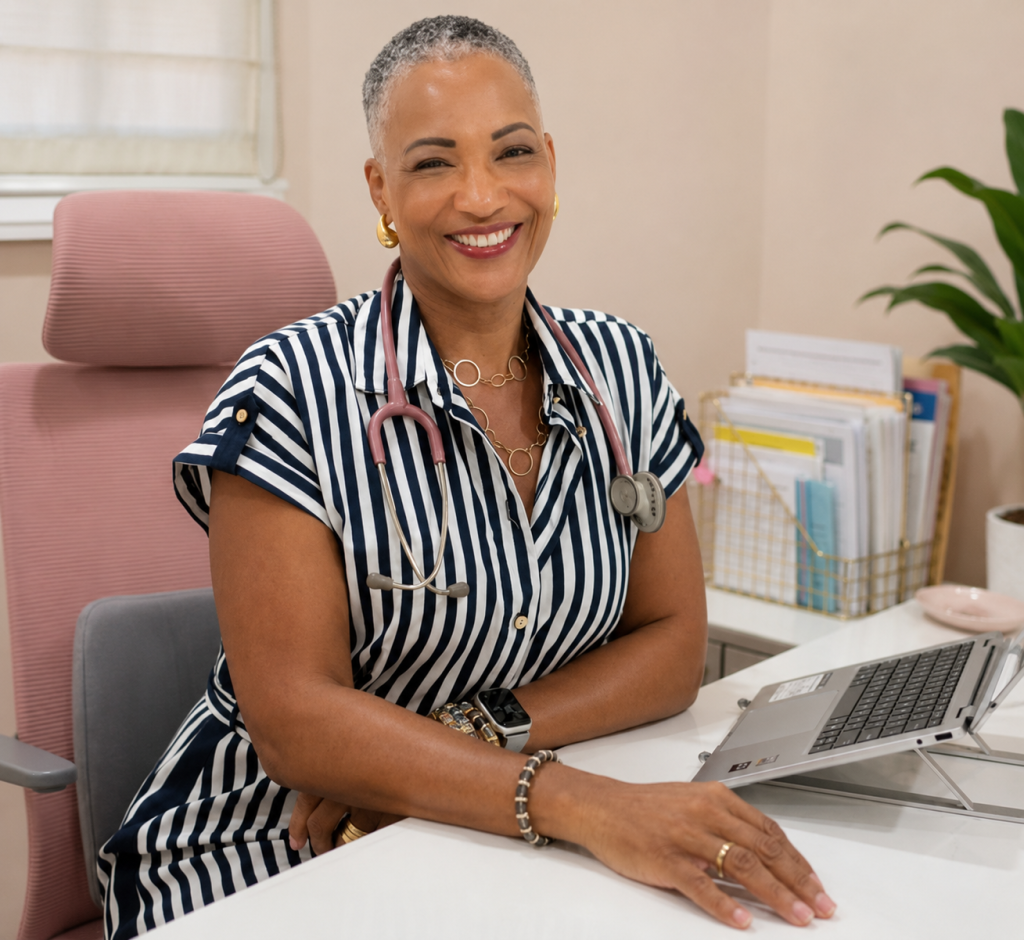
“We’re trained to be strong,” she says. “We’re not supposed to cry. We’re not supposed to call in sick. We don’t reach out for help because a strong woman does it all on her own.”
That cultural expectation reflects a broader reality. Globally, women perform more than 76 percent of all unpaid care work, spending over three times as many hours on caregiving as men, according to UN Women. While these figures vary across countries, they illustrate a pattern that is familiar throughout much of the Caribbean, where women continue to shoulder the majority of caregiving responsibilities within families and communities. Increasingly, researchers recognize that this invisible labor is a social issue and public health one, as well.
Dr. Tanya believes these deeply rooted cultural expectations are influencing women’s health in ways that medicine is only beginning to fully appreciate.
Research increasingly supports her observations. Chronic stress has been linked to elevated blood pressure, cardiovascular disease, Type 2 diabetes, anxiety, depression, sleep disturbances and impaired immune function. Scientists also recognize that caregiving responsibilities, financial pressures, inadequate sleep and other chronic stressors can accumulate over time, increasing what is known as the body’s “allostatic load”—the physiological wear and tear that results from prolonged stress.
Dr. Tanya sees those effects every day. Many of the women who come through her doors are still going to work, raising children, caring for aging parents and meeting countless responsibilities. Outwardly, they appear to be coping. Privately, many are exhausted.
Many women, she believes, are not necessarily sick in the traditional sense. They are adapting. “They’re functioning,” she says. “But they’re not well.”
Adaptation can be remarkably deceptive. A woman may continue meeting every obligation while her body quietly absorbs the cumulative effects of chronic stress. Sleep becomes fragmented. Energy declines. Hormonal changes become more difficult to navigate. Because these changes often occur gradually, they are easily dismissed as a normal part of aging or simply the price of living a busy life.
For Dr. Tanya, however, these are not isolated complaints. They are signals that the body has been carrying more than it was designed to bear. “When the body cannot take any more,” she says, “it will take you down.”
That realization would eventually transform not only the way she practiced medicine, but also the questions she began asking every woman who walked into her clinic.
Seeing the Woman Before the Diagnosis
For generations, medicine has excelled at identifying disease. Physicians are trained to recognize symptoms, interpret laboratory results and prescribe treatments based on the best available evidence. Yet for many women, particularly those balancing caregiving, demanding careers and cultural expectations around strength and self-sacrifice, illness rarely exists in isolation from the lives they are living.
Dr. Tanya Destang-Beaubrun believes that is one of healthcare’s greatest blind spots.
Her conviction was shaped by an experience few physicians anticipate. After a serious health issue which led her to a hospital stay, she found herself experiencing healthcare from the opposite side of the consultation room. Although her medical team was appropriately focused on her treatment and recovery, she remembers longing for something else.
“Please,” she recalls thinking, “somebody see me. Don’t look at what’s wrong with me. Please see me.”
The experience forced her to confront an uncomfortable realization. Like many physicians, she had been trained to look first at illness. Becoming the patient made her recognize how easily the person behind the medical condition could disappear.
“I realized that I too had looked at patients that way,” she says. “That’s how we’ve been trained. The disease comes first.”
That realization reflects a broader shift taking place across modern healthcare. Increasingly, health systems are moving toward what the World Health Organization describes as people-centered care. It’s an approach that recognizes patients as partners in their care and encourages clinicians to understand not only disease, but also the circumstances in which people live. Research has shown that when patients feel heard and actively participate in decisions about their care, they are more likely to adhere to treatment plans, report higher satisfaction and experience better health outcomes.
That is why Dr. Tanya believes one of the most important questions a physician can ask is not simply, “What is wrong?” but, “What has brought you to this point?”
What Does Culturally Attuned Healthcare Actually Look Like?
Culturally attuned healthcare is sometimes misunderstood as providing different medical treatment based on a person’s cultural background. However, it’s not about changing science, culturally attuned healthcare is about changing the questions healthcare providers ask, the assumptions they make and the context in which they understand their patients’ lives.
Rather than beginning and ending with a diagnosis, Dr. Tanya encourages physicians to understand the circumstances that may have contributed to illness long before symptoms appeared. A woman presenting with hypertension, diabetes or persistent fatigue, for example, may also be carrying years of chronic stress, interrupted sleep, work and caregiving responsibilities or emotional burdens that are invisible within her medical record. Addressing those realities allows physicians to practice evidence-based medicine more effectively.
That perspective has also shaped the way Dr. Tanya thinks about representation in women’s health.
She recalls attending a major women’s health event in the United States and looking around the room, searching for experiences that reflected her own as a Caribbean woman. They were difficult to find. Standing before an audience of physicians and health advocates, she questioned why Caribbean women were so rarely represented in conversations about women’s health research and clinical care.
Her concern extends beyond visibility. While medical science is universal, researchers increasingly recognize that populations may differ in genetics, environmental exposures, social determinants of health and lived experiences—all of which can influence health outcomes. Historically, women have been underrepresented in clinical research, and many racial and ethnic minority populations have likewise been inadequately represented in clinical trials. Although that has begun to change, experts continue to call for more inclusive research to ensure that healthcare reflects the diversity of the populations it serves.
Culture also shapes how women experience significant stages of life. Research from the landmark Study of Women’s Health Across the Nation (SWAN), for example, has found that Black women often enter menopause earlier, experience symptoms for longer and report more frequent and severe vasomotor symptoms than many other groups. Yet even those findings cannot fully explain the experiences of Caribbean women, whose histories, migration patterns, cultural practices and diverse ancestral backgrounds differ from those of African American women.
That distinction matters, Dr. Tanya believes, because healthcare should never assume that one population’s experience automatically represents another’s.
For her, culturally attuned healthcare begins with curiosity. It asks physicians to understand not only what illness a woman has, but who she is, how she lives, what responsibilities she carries and what cultural beliefs may influence the way she experiences her health. Those conversations require time, empathy and trust, but they also recognize something medicine is increasingly embracing: that understanding a patient’s story is not separate from good healthcare. It is an essential part of it.
The Future of Caribbean Women’s Healthcare
If culturally attuned healthcare begins by asking different questions, its future depends on reimagining what good healthcare looks like for Caribbean women.
It means recognizing that a woman managing diabetes may also be caring for aging parents while supporting adult children. It means understanding that chronic stress can be as important to discuss as blood pressure, that conversations about menopause should acknowledge the cultural silence that has surrounded women’s hormonal health for generations, and that encouraging rest and self-care is not simply lifestyle advice, but an important component of preventive healthcare.
Dr. Tanya believes prevention should begin long before illness appears. Throughout her work, she encourages women to think not only about treating disease, but also about building the conditions that allow them to remain healthy. Nutrition, movement, restorative sleep, meaningful relationships, stress management and regular preventive care are not separate from medicine, she argues; they are among its most powerful tools.
Just as importantly, she hopes Caribbean women begin to see themselves differently.
Too often, she says, women have been taught to measure their worth by how much they can endure or how many people they can care for before caring for themselves. Yet preserving one’s own health is not an act of selfishness. It is an investment in families, communities and future generations.
“I think we need, as Caribbean women, to reclaim joy as our legacy,” she says. “We think there’s something wrong with us being well, or there’s guilt associated with us taking time for ourselves. Joy is not rebellion at all. In fact, it is our birthright.”
Ultimately, culturally attuned healthcare is not about creating different medicine for Caribbean women. It is about ensuring that healthcare recognizes the full complexity of the women it serves. It asks clinicians to see not only symptoms, but also stories; not only diagnoses, but also lived experiences; not only disease, but the cultural realities that shape health long before illness begins.
That vision is neither radical nor unattainable. In many ways, it represents a return to one of medicine’s oldest principles: caring for the whole person.
For Caribbean women, that may be one of the most important conversations healthcare can have, both because it has the potential to improve health outcomes, and also because it affirms something many women have waited a long time to hear: that their experiences matter, their stories matter and that understanding both is an essential part of helping them heal.
Continue the Conversation with Held and Healed
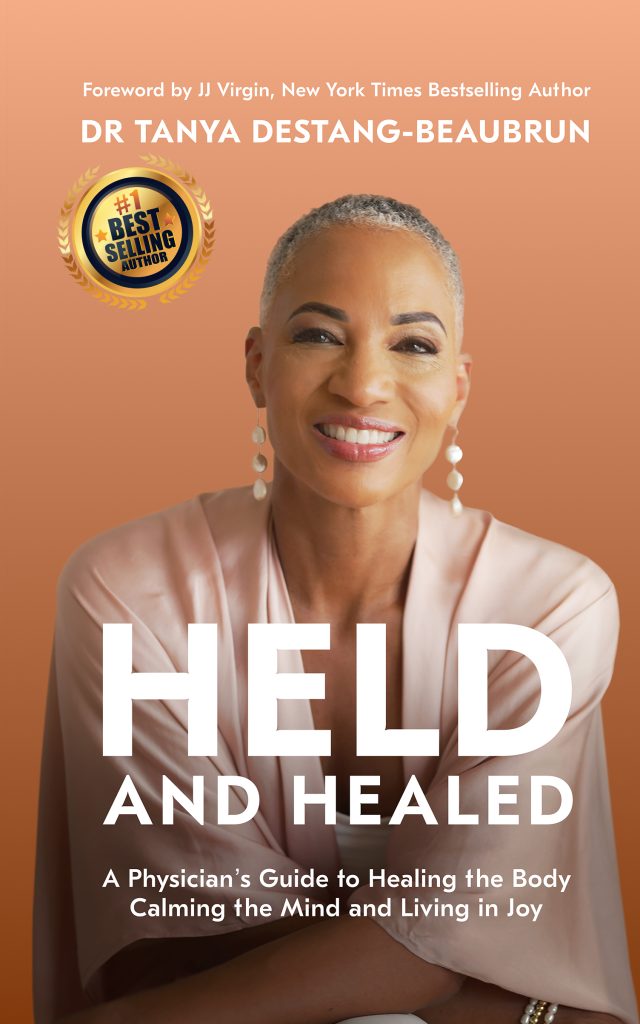
Many of the ideas explored in this feature, including the connection between chronic stress and physical health, the importance of culturally attuned care, and the role of joy, rest and whole-person healing, are explored in greater depth in Dr. Tanya Destang-Beaubrun’s new book, Held and Healed: A Physician’s Guide to Healing the Body, Calming the Mind and Living in Joy.
Drawing on more than three decades as a family physician specializing in functional and integrative medicine, Dr. Tanya offers practical, evidence-informed guidance to help readers better understand the relationship between mind, body and emotional wellbeing while creating sustainable habits that support lifelong health. The book reflects her belief that true healing involves more than treating illness, it begins with seeing and caring for the whole person.
Learn more about Held and Healed or order your copy:
Amazon: Held and Healed on Amazon
Dr. Tanya Destang-Beaubrun: tanyabeaubrun.com