
The Caribbean Women of The 2026 Disruptive Leadership Conference
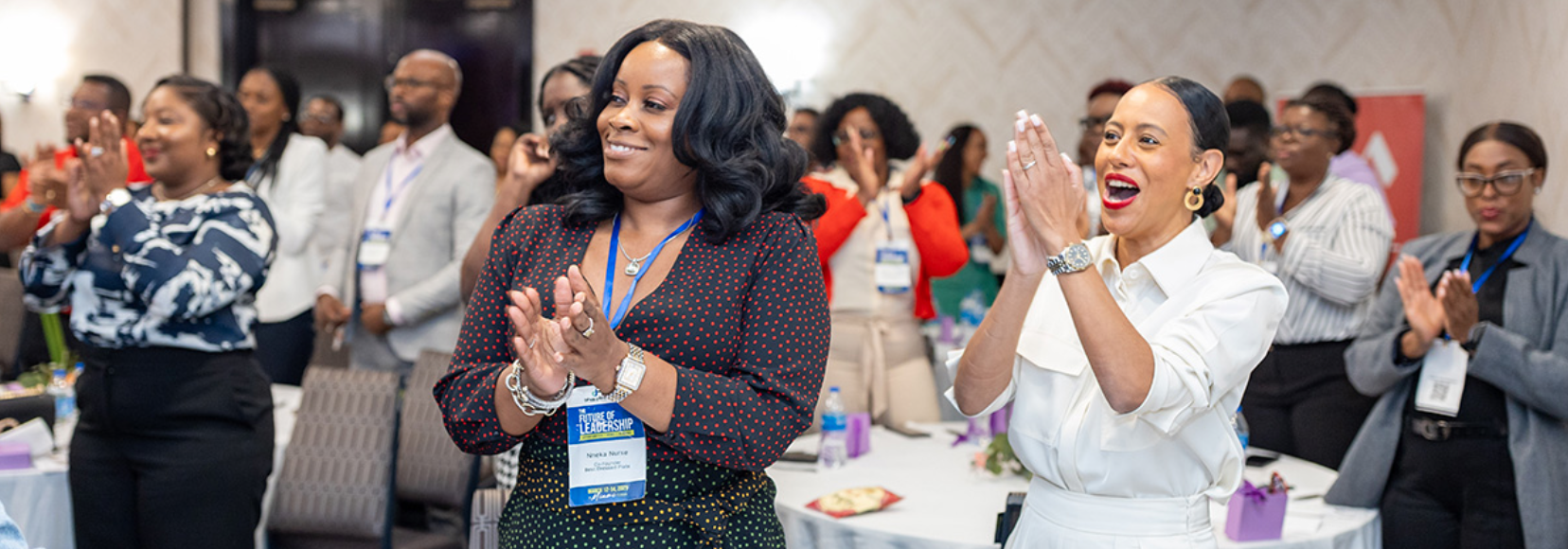
From May 13-15, the Disruptive Leadership Conference will convene in Miami for its final edition. Over three days at the Hilton Miami Aventura, Caribbean and diaspora leaders will gather to examine how leadership is evolving in a rapidly changing world.
The conference was created to address a gap that many leaders have experienced, but few have articulated.
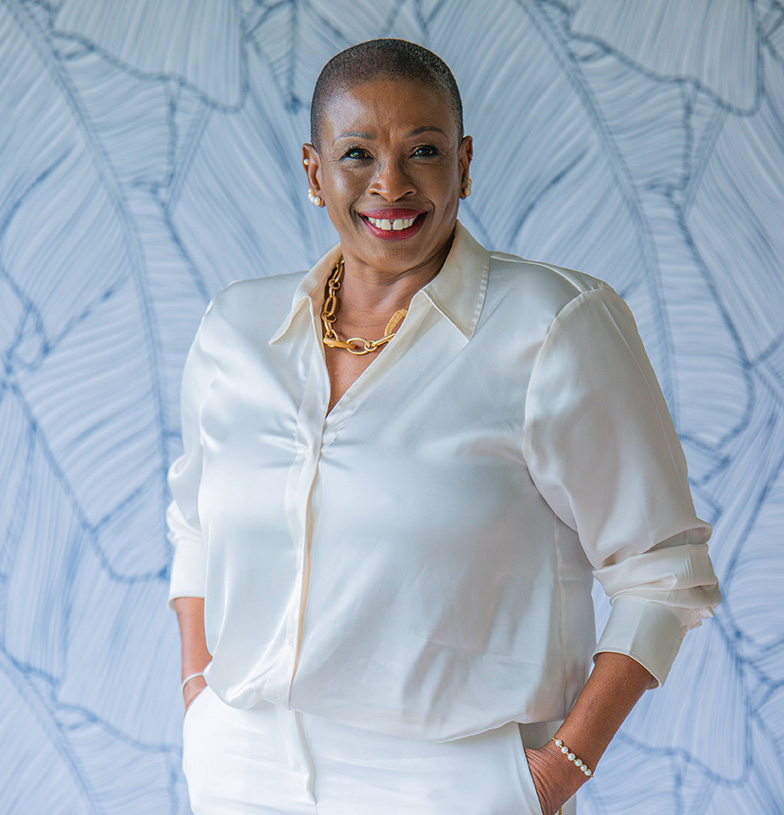
“The idea came from a deep respect for Caribbean leadership and a recognition that our leaders deserved a different kind of space,” says the conference’s founder, Judy McCutcheon.
“There were very few spaces where leaders could come together to have honest, forward-looking conversations about the future of leadership itself.”
In her work across the Caribbean and diaspora, Judy has observed that leadership development is often limited to technical skills, without space for deeper reflection.
“What felt missing was a forum where leaders could step back and ask bigger questions. How must leadership evolve in a rapidly changing world? How do we prepare organizations for uncertainty? How do we lead with courage while still carrying the weight of responsibility for people and institutions?”
The conference was designed as a response to that need. Beyond a traditional event, it’s a convening where leaders can challenge assumptions, exchange perspectives, and engage more directly with the realities shaping their work.
Women at Center of Leadership
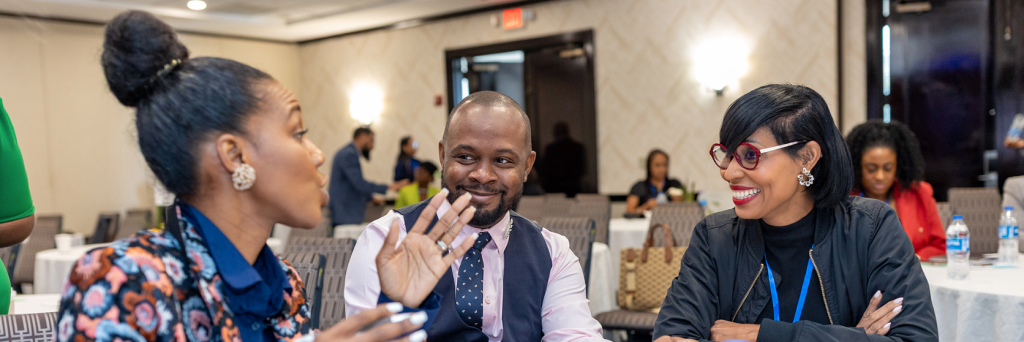
The conference also highlights the too often underrepresented voice of Caribbean women in leadership.
Globally, women hold just 32 percent of senior leadership roles, with Black women remaining significantly underrepresented at the highest levels of decision-making. Yet, as Judy explains, Caribbean women have continued to lead within and beyond those constraints, developing a form of leadership that is inherently adaptive, culturally fluent, and grounded in responsibility.
“We are not simply participants in global conversations,” Judy notes. “We are contributors and shapers of them.”
“For a long time, Caribbean women have been extraordinary leaders, but their leadership has often been expressed through service rather than visibility,” she says. “The women speaking at the conference are not there because they represent diversity. They are there because they represent excellence.”
She also highlights the persistent tension of women publicly discussing both the challenges and triumphs of their leadership experiences.
“Many Caribbean women are highly capable, but have been socialized to believe their work should speak for itself. In reality, leadership also requires presence, voice, and positioning,” Judy says.
Yet, as Judy points out, the qualities Caribbean women bring to leadership are increasingly aligned with what organizations require. “We carry a remarkable combination of resilience and emotional intelligence,” she says. “We understand that leadership is not only about results. It is about people, culture, and sustainability.”
At the center of this year’s conference is a group of women whose work reflects the breadth and global reach of Caribbean leadership today. They are executives, founders, strategists, economists, storytellers, and change-makers operating across industries and geographies. Some are shaping global culture. Others are transforming institutions, building enterprises, or redefining how leadership itself is practiced within organizations and communities.
Together, they reflect a clear reality. Caribbean women are not entering leadership spaces. They are already operating at scale within them, often across multiple systems at once.
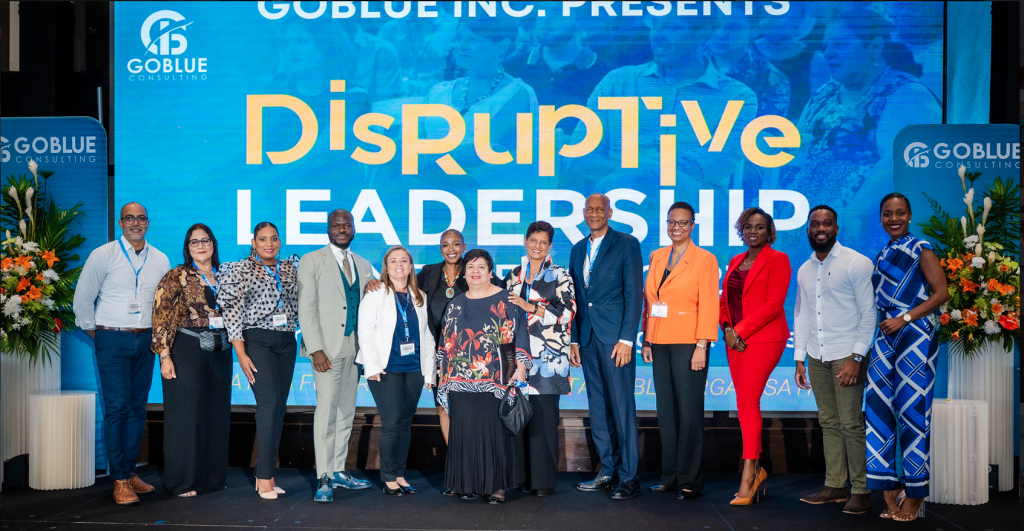
The Women of DLC 2026
Here’s a look at the women shaping this year’s Disruptive Leadership Conference and the work they are doing across industries, institutions, and global spaces.
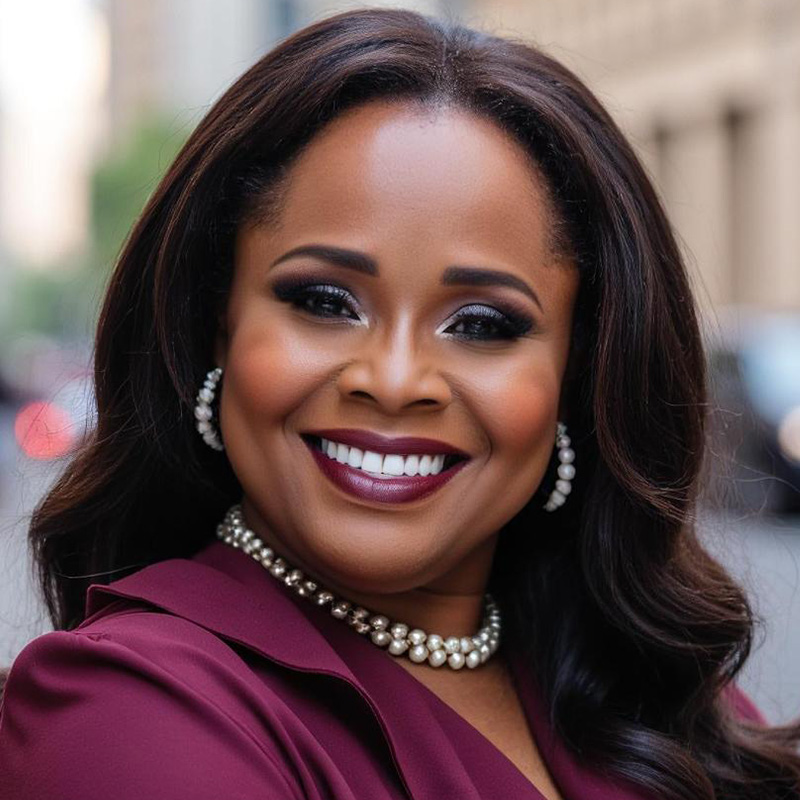
Aka Ali-Kerr
Embedding Care Into Leadership Practice
Aka Ali-Kerr is presently the Director of Human Resources at Andaz West Hollywood and Unscripted Durham. She is an author of the book titled The Master Guide to Leadership Through the Lens of Care and a John Maxwell Certified Coach, Trainer, and Speaker.
She has facilitated keynote speaking engagements, workshops, seminars, and coaching sessions to aid personal and professional growth through the study and practical application of effective, proven leadership methods. Working together, she has moved leaders and their teams in the desired direction to reach their organizational goals.
A dynamic Human Resource leader, she has advanced interpersonal skills that focus on achieving individual and team objectives. Aka has been able to earn respect at the strategic table by understanding the goals and objectives of the business and ensuring that her HR team is aligned with achieving those goals.
Aka has a passion and love for people, demonstrated for more than 23 years in developing and implementing best-practice strategies in Compensation, Recruitment and Selection, Training and Development, Job Analysis, Industrial Relations and Organizational Design, Performance Management, and Employee Relations.
She also serves as a Board Member for both the Academy of Hospitality and Tourism in Miami, Florida and the South Florida Hospitality Human Resource Association.
Alison Browne-Ellis
Expanding Financial Access Through Infrastructure
Alison Browne-Ellis, a Barbadian financial executive, has built her career inside the systems that determine how money moves.
With more than two decades of experience across regional and international banking institutions, including roles at Barclays and FirstCaribbean International Bank, her work has consistently sat at the intersection of finance, operations, and transformation.
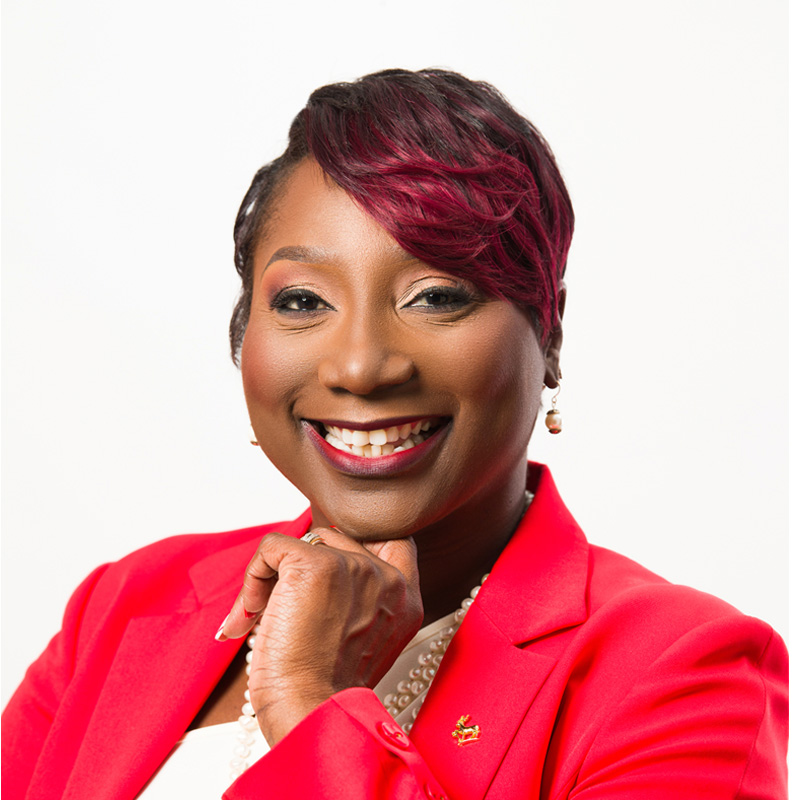
She now serves as Chief Executive Officer of Cave Shepherd Card Barbados Inc., where she is leading one of the most significant shifts in the region’s payments landscape.
Under her leadership, the company became the first non-financial institution in the English-speaking Caribbean to secure principal membership with Visa, a structural breakthrough that expands who can participate in financial infrastructure and how access is delivered across the region.
Her work reflects a broader evolution within Caribbean economies, where digital payments, financial inclusion, and alternative financial models are becoming increasingly central to growth.
What distinguishes Browne-Ellis is not only her position, but the level at which she operates.
Her leadership sits within the architecture of financial systems themselves, influencing how access is designed, who is included, and how the region participates in a rapidly evolving global economy.
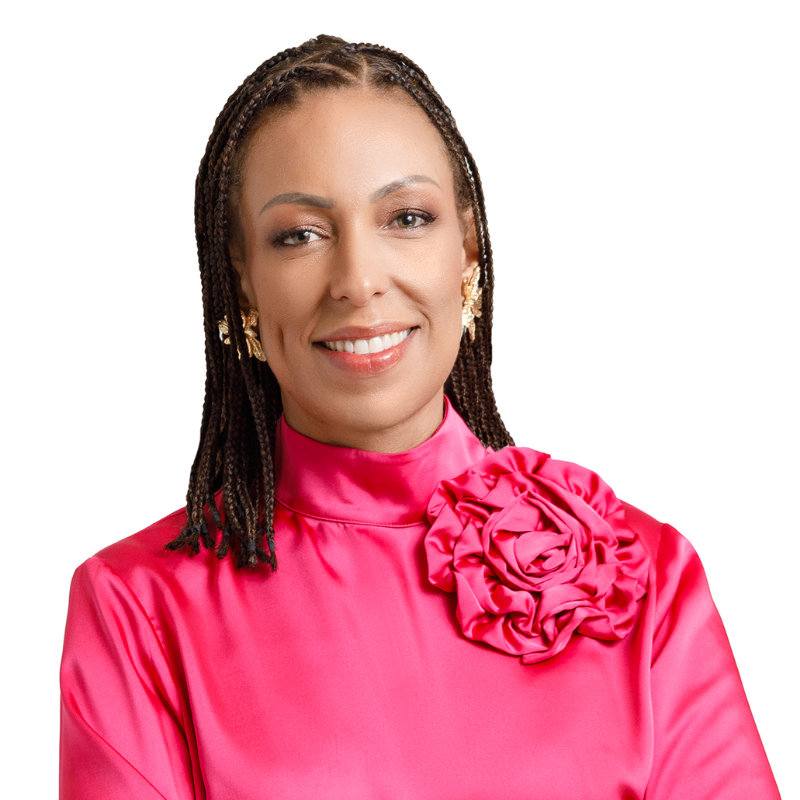
Carina Cockburn
Positioning the Caribbean Within Global Economic Strategy
Carina Cockburn, a Jamaican development finance leader, operates at the level where decisions shape national and regional trajectories.
With more than 25 years of experience across the Caribbean, Latin America, and international development institutions, her career has been defined by work in economic policy, public sector reform, and investment strategy.
She currently serves as Country Representative for Barbados at the Inter-American Development Bank, where she leads engagement on projects spanning infrastructure, fiscal resilience, and sustainable growth.
In this role, she is responsible not only for managing a national portfolio, but for influencing how development priorities are defined, financed, and executed within a complex regional landscape.
A Rhodes Scholarship recipient and graduate of University of Oxford, Cockburn brings both academic rigor and institutional depth to her work. Her leadership reflects a balance of technical expertise and strategic oversight, navigating the intersection of economics, governance, and long-term planning.
Much of her impact happens beyond public visibility, yet it is embedded in the systems that shape economic stability and growth. From the structuring of major development initiatives to the allocation of critical funding, her work contributes to how Caribbean countries position themselves within an increasingly complex global economy.
Dr. Luz M. Longsworth
Building Leadership Capacity at Scale
Dr. Luz M. Longsworth, a Jamaican educator and corporate leader, has built her career at the intersection of academia, workforce development, and regional transformation.
She spent nearly three decades at the University of the West Indies, where she held senior leadership roles including Pro Vice-Chancellor and Principal of the Open Campus. In that capacity, she was responsible for expanding access to tertiary education across the Caribbean, overseeing a multi-country system designed to reach working adults and underserved communities.
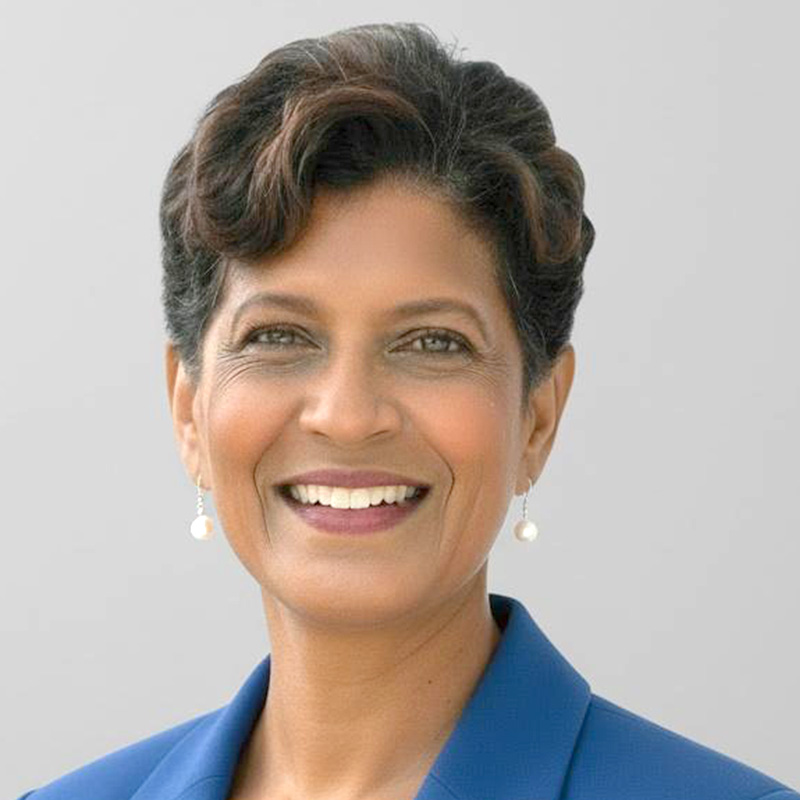
She now serves as Corporate Director of the Sandals Corporate University, where she leads learning and development initiatives for more than 20,000 employees across the Sandals and Beaches Resorts network.
Her work bridges a critical gap between education and industry, ensuring that leadership development is not confined to formal academic pathways but embedded within organizational systems and everyday practice.
What distinguishes Longsworth’s leadership is scale.
Across both academia and the private sector, she has designed and led systems that develop people at volume, shaping not only individual careers but the broader leadership capacity of the Caribbean workforce.
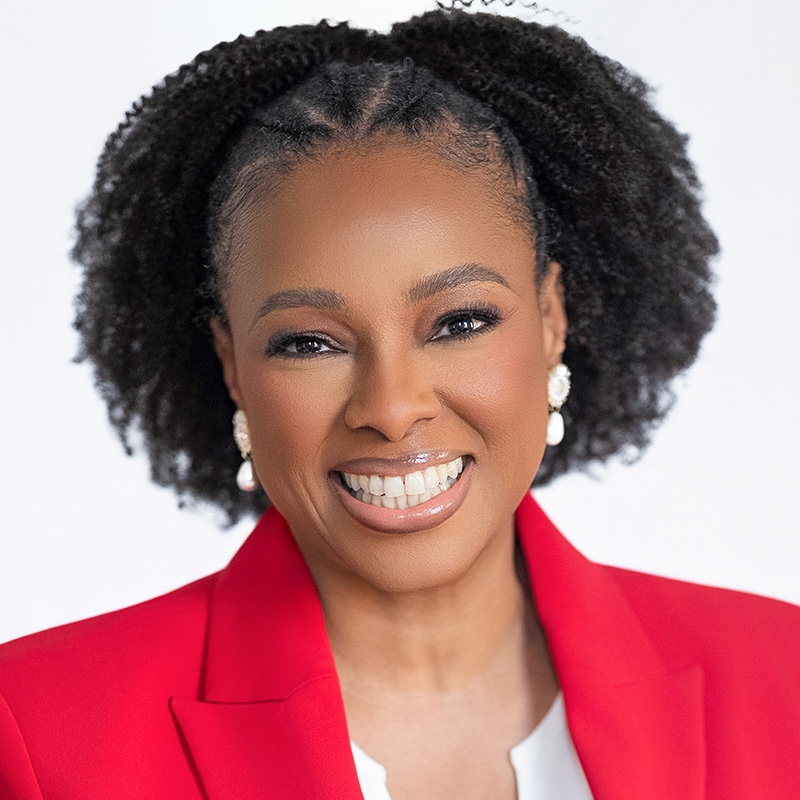
Dr. Marissa Toussaint
Reframing Health Through Cultural Continuity
Dr. Marissa Toussaint, who grew up in Trinidad and Tobago, is redefining how Caribbean communities understand the relationship between food, culture, and health.
A board-certified family physician with over 20 years of clinical experience, she specializes in obesity medicine and culinary medicine, combining medical treatment with practical, culturally relevant approaches to nutrition.
She is also the founder of Anise Medical, a practice focused on metabolic health and sustainable weight loss, where her work centers on helping patients build long-term habits rather than short-term restriction.
Her approach is both clinical and cultural.
Through her platform and cookbook Flambeau Kitchen, Toussaint challenges a long-standing tension within Caribbean communities: the idea that health requires abandoning the foods that define identity. Instead, she reframes Caribbean cuisine as a foundation for wellness, translating medical and nutritional science into meals that are familiar, accessible, and rooted in heritage.
This perspective is informed not only by her training, but by her lived experience.
Raised in a culture where food is central to family and community, she has spoken openly about rejecting medical narratives that position traditional Caribbean diets as inherently unhealthy, choosing instead to reinterpret them through evidence-based practice.
Her work sits at the intersection of medicine, culture, and behavior change, addressing not only what people eat, but how they understand food, health, and themselves.
In doing so, she reframes health not as restriction, but as continuity.
Ingrid Murray
From Enterprise to Economic Legacy
Ingrid Murray, a Jamaican entrepreneur, has built her company with a level of discipline that reflects both operational precision and long-term vision.
As Chief Executive Officer of Prospect Cleaning Service Inc., she has grown the business into a multimillion-dollar enterprise, establishing a strong foothold within the commercial cleaning and facilities services sector.
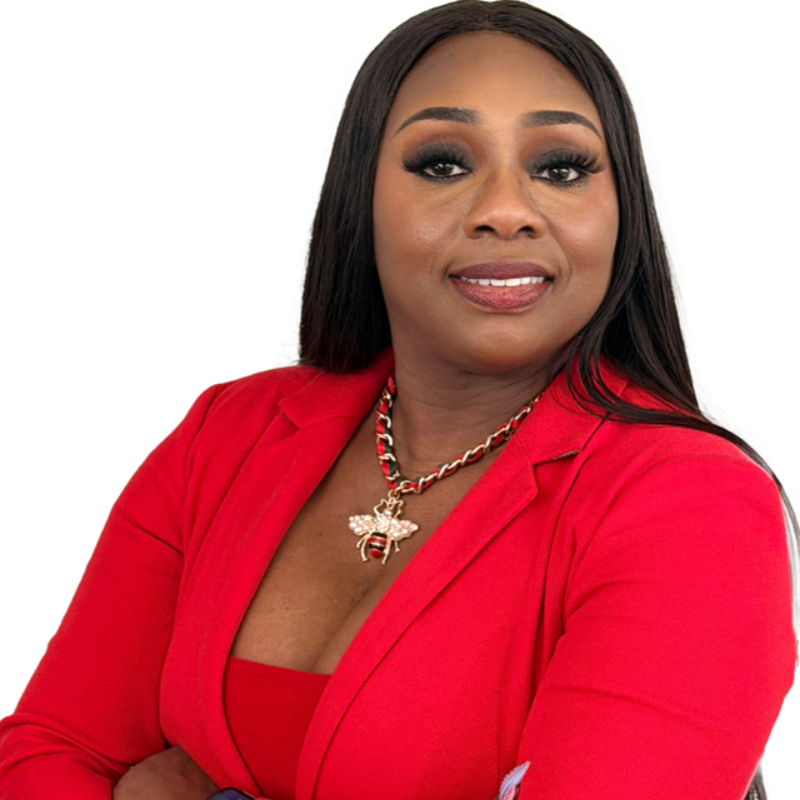
Operating in an industry that is often overlooked despite its essential role, her work reflects a clear understanding of systems, consistency, and scale.
Her leadership is defined not by rapid expansion, but by control.
Scaling a service-based business requires more than demand. It requires structure, workforce management, client retention, and the ability to deliver consistently across contracts and environments. Murray has built that infrastructure over time, positioning her company as both reliable and competitive within its market.
Her work speaks to a broader shift within Caribbean entrepreneurship.
Too often, success is framed around starting a business. Less attention is given to sustaining and growing one in a way that creates stability and long-term value.
Murray’s approach moves beyond that starting point. It is rooted in ownership, endurance, and the deliberate construction of something that can extend beyond the founder.
In that sense, her work is not only about enterprise. It is about legacy.
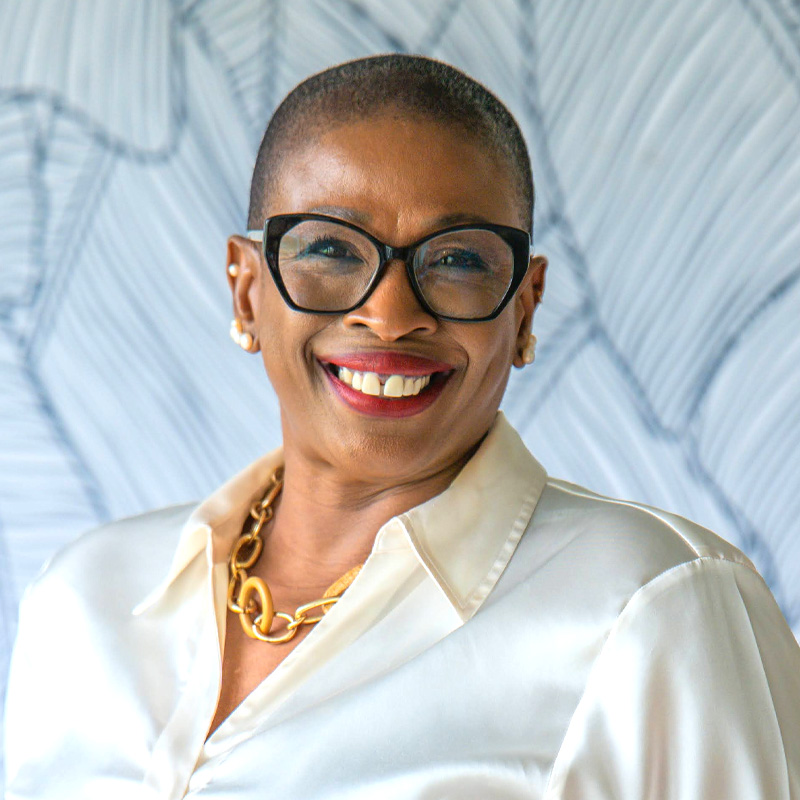
Judy McCutcheon
Creating Space for a Different Kind of Leadership
Judy McCutcheon, born and raised in Tobago, has built her work around a clear conviction that leadership must be redefined from the inside out.
As Chief Executive Officer of Go Blue Consulting, a firm she founded in 2016, she works with organizations across the Caribbean, North America, and Central America to redesign leadership practices, strengthen organizational culture, and embed people-centered systems into how companies operate.
Her work is rooted in more than two decades of experience in leadership development, organizational strategy, and training, spanning industries including financial services, tourism, telecommunications, and retail.
But her influence extends beyond consulting.
In 2019, she founded the Disruptive Leadership Conference, creating a platform specifically for Caribbean leaders to engage with each other as practitioners rather than observers. The model is intentional, bringing together executives and decision-makers who are actively shaping their industries, rather than theorizing about them.
This approach reflects a broader philosophy.
Her work centers on people-first leadership, grounded in emotional intelligence, accountability, and self-awareness. It is shaped in part by her upbringing in Tobago, where community, resilience, and collective responsibility informed her understanding of what leadership requires.
She is also the author of Unfiltered and Unapologetic, a book that extends her work beyond organizations and into the personal, challenging women in particular to lead with clarity, boundaries, and intention.
What distinguishes Judy is not only the spaces she creates, but the perspective she brings to them.
Her work reframes leadership as practice rather than performance, shifting the focus from outcomes alone to how those outcomes are shaped, who they serve, and what leaders are required to confront within themselves to lead effectively.
Nadine McNeil
Expanding Leadership to Include Healing and Awareness
Nadine McNeil, Jamaican-born and globally experienced, brings a perspective on leadership shaped by decades spent inside some of the world’s most complex humanitarian environments.
For more than 20 years, she worked in international disaster response and logistics with the United Nations and partner agencies, including serving as Chief of Operations in the Central African Republic.
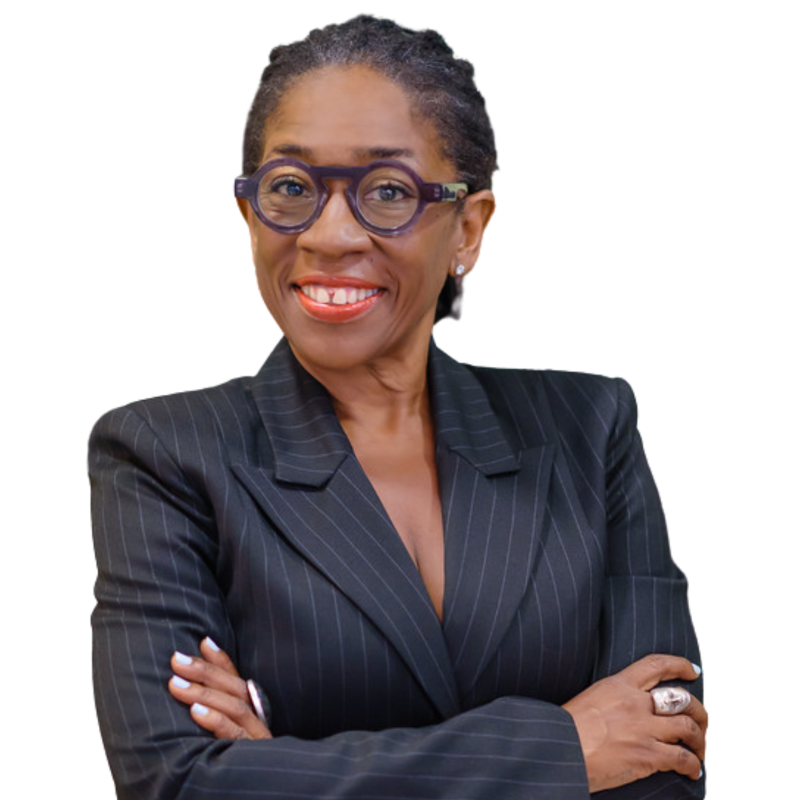
In that role, she operated at the frontlines of crisis, navigating conflict, displacement, and large-scale systemic breakdown. That experience now informs the direction of her work.
Today, McNeil is a speaker, writer, and facilitator whose practice sits at the intersection of leadership, trauma awareness, and embodied healing. She is the founder of All Hands JA, a grassroots initiative supporting Jamaican communities impacted by crisis and climate-related events, grounding her work in both global experience and local responsibility.
Her approach challenges conventional leadership models by centering the internal landscape of the leader.
Rather than treating performance as separate from personal experience, she examines how stress, trauma, and lived reality shape decision-making, relationships, and organizational culture. Her work draws on trauma-informed practice and somatic training, integrating nervous system awareness into how leaders understand themselves and others.
This perspective is not theoretical.
It is informed by what she has witnessed firsthand, and by her own transition from operating within crisis systems to addressing the internal impact those systems leave behind.
McNeil’s work expands leadership beyond strategy and execution, positioning it as a practice that includes awareness, responsibility, and healing.
In doing so, she brings into focus a reality that many leaders navigate but rarely name. That how we lead is inseparable from what we carry.
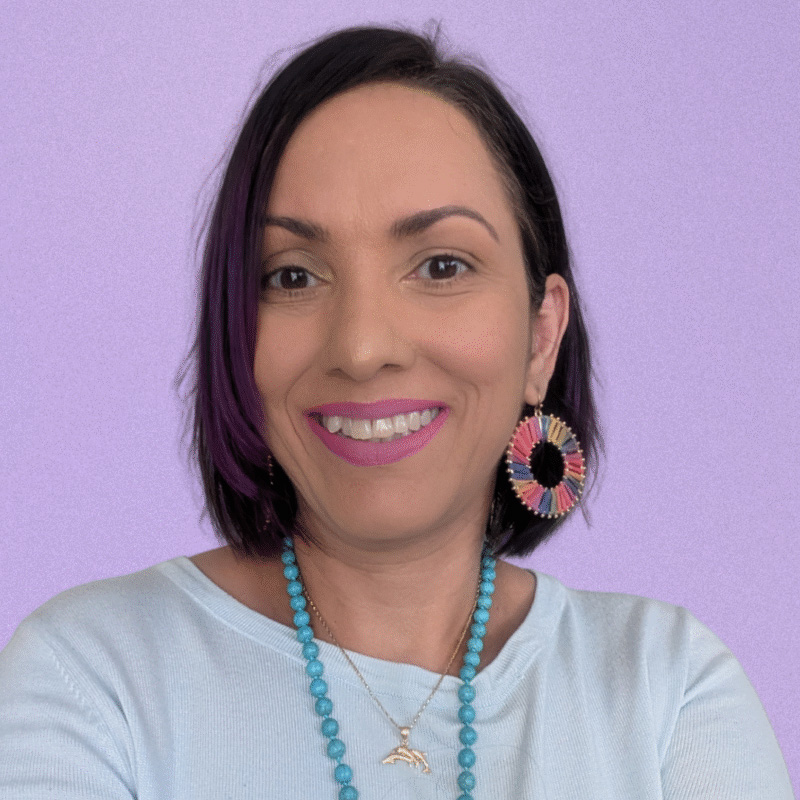
Rawati Heeraman
Bringing Precision to Decision-Making
Rawati Heeraman, a Trinidad and Tobago–based data and analytics executive, works at the point where information becomes action.
As Chief Executive Officer of Databulous Analytix Limited, she advises organizations on how to translate data into decision-making frameworks that are both measurable and accountable.
Her work focuses not on data collection, but on interpretation, helping leaders understand what their data is actually telling them about performance, behavior, and outcomes.
This distinction is critical.
Many organizations have access to data. Far fewer have clarity.
Heeraman’s approach centers on aligning analytics with strategy, ensuring that insights are not only generated, but applied in ways that influence how organizations operate, allocate resources, and evaluate success.
Her leadership reflects a broader shift in how companies function, where data is no longer a support tool, but a core driver of decision-making, accountability, and long-term planning.
Stacey Liburd
Shaping National Identity Through Tourism Leadership
Stacey Liburd, a Grenadian tourism executive, operates at the intersection of economic strategy and national identity.
As Chief Executive Officer of the Grenada Tourism Authority, she leads one of the country’s most critical economic sectors, responsible for driving visitor growth while shaping how Grenada is positioned within an increasingly competitive global tourism market.

Her leadership builds on more than two decades of experience in tourism development, including senior roles in Anguilla, where she contributed to sustained growth and record-breaking visitor performance during her tenure. That track record reflects an ability to move beyond branding into execution, aligning marketing, partnerships, and policy with measurable national outcomes.
In Grenada, her work extends beyond arrivals and revenue. It is focused on long-term positioning, ensuring that tourism development remains aligned with cultural preservation, community impact, and sustainability.
Tourism, in this context, is not simply an industry. It is one of the primary ways a country is interpreted by the world.
Liburd’s leadership recognizes that reality, balancing economic priorities with the responsibility of shaping narrative, protecting identity, and defining how Grenada is experienced on its own terms.
What The Disruptive Leadership Conference Represents
What the Disruptive Leadership Conference makes visible is not new. It reflects what has already been happening across the Caribbean and its diaspora.
Caribbean women have been leading across industries, institutions, and communities, often without the visibility that matches their level of impact. What is changing is the recognition of that reality and a growing expectation that it be acknowledged, supported, and invested in.
“Transformation rarely happens through information alone,” says Judy. “It happens in moments of recognition.”
This is one of those moments. It clarifies what has long been true and places it in full view. Caribbean women are not peripheral to leadership. They are central to it.
To learn more about the Disruptive Leadership Conference 2026 or to register, visit: