How Burnout Actually Shows Up for Caribbean Women
Chronic burnout has been linked to increased risk of cardiovascular disease, long-term cognitive impairment, anxiety and depressive disorders, and sustained disruption to sleep and immune function.
Unfortunately, burnout among Caribbean women is frequently misunderstood, because it usually exists alongside competence, productivity, and the ability to keep going across multiple roles.
According to the World Health Organization (WHO), burnout is experienced as a result of chronic workplace stress that has not been successfully managed, and is characterized by exhaustion, detachment, and reduced effectiveness.
However, this definition is very limited when applied to Caribbean women, whose responsibilities often extend far beyond paid work. The combined demands of employment, unpaid caretaking obligations, and cultural community responsibility create a continuous load, where burnout is not just about work, but about how life itself is structured.
What Burnout Looks Like for Caribbean Women
Dr. Kerriann Peart, a leadership strategist and executive coach who works closely with Caribbean and diaspora women, explains that early signs of burnout don’t often register as cause for concern. Instead, they appear as manageable strain: disrupted sleep, difficulty focusing, constant fatigue, and a growing sense of emotional distance from work and daily life. Many women, she notes, describe themselves as simply “tired of feeling tired,” a phrase that reflects both the persistence and normalization of their experience.
Over time, this exhaustion begins to shape how Caribbean women move through their lives. Decision-making becomes more reactive than intentional, relationships are maintained out of obligation rather than presence, and personal limits become increasingly difficult to identify.
A key challenge, Dr. Peart points out, is that many Caribbean women don’t immediately recognize this as burnout. Because strain is so deeply normalized, the symptoms are often interpreted as part of being responsible. “I am hanging in there” or “I am just pushing through” are common ways women describe their experience. Meanwhile, fatigue is being reframed as commitment, detachment as necessary coping, and continued output is taken as proof that everything is still functioning.
This makes burnout difficult to interrupt. There’s rarely a clear point at which things shift from manageable to unmanageable. Instead, there’s a gradual wearing down that can go unnoticed over time. Even when Caribbean women step away to rest, they often don’t feel fully restored, because the underlying conditions that created the strain remain unchanged.
Her own experience reflects this pattern in a way that underscores both its intensity and repetition. “Burnout has not been a one-time thing for me,” she says. “It has been a multiple-cycle event.”
She describes periods where several high-demand roles converged without any reduction in expectation, including balancing full-time professional responsibilities, doctoral studies, and intensive caregiving, supporting both parents through serious health challenges. These demands overlapped, creating a sustained period where responsibility increased, but capacity was expected to stretch to meet it.
What followed didn’t end when those circumstances changed. A later period of grief introduced a different, but equally complex layer of strain, demonstrating that burnout is not resolved by the removal of a single set of demands, but can re-emerge when patterns of overextension remain intact. Dr. Peart describes this as “toxic resilience,” where continuing to push through is seen as strength, even when it comes at a cost.
She also points to the pattern of over-responsibility that reinforces this dynamic, noting that many women “dysfunctionally rescue everyone else and leave no life vest” for themselves. What appears externally as reliability is often internally experienced as constant extension, where saying yes becomes automatic and refusal feels misaligned with identity.
Over time, these patterns do more than create fatigue, they produce a gradual and sometimes unnoticed disconnection from self. Needs become harder to identify, rest feels unfamiliar or even uncomfortable, and decision-making becomes driven more by urgency and obligation than by intention. In this state, it is not simply that too much is being done, but that there is little space to evaluate what should be done at all.
Because this disconnection develops gradually, it is often mistaken for efficiency or discipline, when in reality it reflects a sustained absence of pause and self-attunement. The result is that Caribbean women can continue to meet expectations while becoming increasingly removed from their own capacity, preferences, and limits.
How History & Culture Have Normalized Burnout for Caribbean Women
To understand why these patterns are so persistent, and why they are so rarely interrupted, it’s important to look at the conditions that shaped how responsibility and endurance are understood today. Across generations, Caribbean women have been relied on to hold together families, communities, and economies, often in the absence of consistent structural support. These expectations didn’t emerge by chance.
During slavery and indentured servitude, Caribbean women were required to perform intense physical labor while also maintaining family and community life under conditions that didn’t allow for rest, refusal, or vulnerability. Emotional suppression and endurance weren’t simply cultural traits, they were necessary for survival. What we now often describe as strength is, in many ways, a continuation of this system.
After emancipation, these expectations continued, with Caribbean women carrying responsibility across multiple areas of life, often without redistribution of that load. Over time, this became normalized, shaping a cultural understanding of Caribbean womanhood that centers strength, reliability, and self-sacrifice. Today, many Caribbean women continue to operate within this framework, even as the demands they face have evolved.
As Dr. Peart explains, culturally, many Caribbean women learn to over-function by watching the women before them, often without questioning whether those patterns are still necessary or sustainable. What is passed down is an expectation that responsibility should be carried without clear limits.
Current data shows how these patterns continue to be reinforced. According to UN Women, women globally perform about 75 percent of unpaid care work. In the Caribbean, this imbalance is often even more pronounced. Estimates from the United Nations Development Programme suggest that unpaid care work could account for more than 20 percent of GDP in Latin America and the Caribbean if it were recognized. This points to a system where Caribbean women’s contributions are essential, yet the cost of that labor is largely absorbed by them.
How Migration Increases the Possibility of Burnout
For many Caribbean women, migration often concentrates and intensifies these historically cultural pressures.
Migration is often framed as opportunity, but it also carries an implicit expectation of success that must be demonstrated. This can create a sustained pressure to perform, not only for personal advancement, but as a reflection of that opportunity itself.
At the same time, migration frequently involves the loss of extended family and community networks that previously distributed care and responsibility. What was once shared becomes concentrated on one individual, increasing both practical and emotional demands.
Data across diaspora communities consistently shows that women continue to carry a disproportionate share of unpaid care work, even while participating in the formal workforce. This dual burden intensifies the conditions under which burnout develops, as responsibilities expand across both paid and unpaid domains without corresponding support.
In professional environments, Caribbean migrant women also face additional pressures around credibility and perception. Dr. Peart notes at work there is often little room for what she calls “human moments,” where someone might need support or space. She explains that in these spaces, “if you need to have a human moment, you’re viewed as holding up progress,” highlighting how expectations of constant output can make it difficult to acknowledge strain.
For Caribbean women, this creates an added layer of pressure. It’s not only about managing workload, but about managing perception and maintaining an image of capability, composure, and consistency. This reinforces the suppression of vulnerability, even when support is needed.
How Caribbean Women Can Break the Pattern of Burnout
Today, Caribbean women across the globe, whether at home or abroad, are increasingly participating in economies, leadership spaces, and global systems at unprecedented levels, while still carrying the cultural and relational expectations that have long defined their roles. The result is a convergence of demands that previous generations didn’t encounter in the same way or at the same scale.
With this increase in demand, breaking the pattern of burnout has become even more necessary. However, as Dr. Peart explains, shifting out of burnout is not a single decision, but an ongoing process that requires new ways of thinking about responsibility, support, and self.
She describes one of the first steps as release. In practice, release doesn’t mean withdrawing from responsibility or becoming less engaged. Instead, it requires engagement that is intentional and better resourced. It looks like being fully present with oneself, mentally, emotionally, and physically, while also being able to show up in relationships without guilt or fragmentation. It includes making decisions such as prioritizing health, setting non-negotiable boundaries, and delegating responsibilities where necessary.
As she explains, release is the act of “putting things in order” so that life can be carried with greater clarity and less strain. It’s about creating practical and personal systems that allow responsibilities to be distributed, rather than absorbed entirely by one person.
This connects directly to her distinction between coping and sustainability. Coping, she notes, occurs when women are navigating ongoing challenges without adequate support or tools, often because they are taking on more than their capacity allows or hesitating to ask for help. Sustainability, on the other hand, is rooted in being consistently resourced. It’s about building a way of living and leading that doesn’t rely on depletion as a baseline.
Equally important is the role of accountability, which Dr. Peart frames as self-awareness applied in real time. Drawing from her own experience, she notes that many Caribbean women are accustomed to organizing, managing, and ensuring that everything is done to a high standard, often at personal cost. Shifting this pattern requires moments of interruption, where one can pause and ask: Is this mine to carry? And if it is, how can it be approached differently?
She emphasizes that accountability, when practiced early, can prevent the escalation of burnout, frustration, and even resentment. It also creates space to consider what support is needed, whether through delegation, collaboration, or external guidance. Importantly, she challenges the idea of perfection as a goal, noting that the work is not about doing everything flawlessly, but about becoming more aligned, more aware, and more intentional over time.
Why Therapy & Coaching Help With Burnout
What becomes clear through this framework is that change doesn’t happen through insight alone. For many Caribbean women, the patterns that contribute to burnout are deeply embedded, reinforced over years, and often across generations. Shifting them requires support that is both reflective and structured.
Therapy and coaching offer different, but complementary, pathways for this work, Dr. Peart notes. Therapeutic spaces can provide the depth needed to process emotional patterns, past experiences, and internalized beliefs, while coaching can support forward movement and help women translate awareness into action, build new systems, and develop sustainable approaches to leadership and life.
Through her work, and her proprietary framework of islandROOTED™, Dr. Peart offers coaching in a culturally informed way, by supporting Caribbean women with practical tools to change how they operate. This includes boundary-setting, redefining responsibility, developing systems of support, and learning how to engage with work and life in ways that don’t rely on constant overextension.
For Caribbean women who feel exhausted, but believe they must continue as they are, Dr. Peart offers a direct reminder: “We are worthy of being genuinely well.”
“We deserve to be met and held in our authenticity,” she states, pointing Caribbean women to the importance of building ways of living that don’t require the suppression of self in order to function.
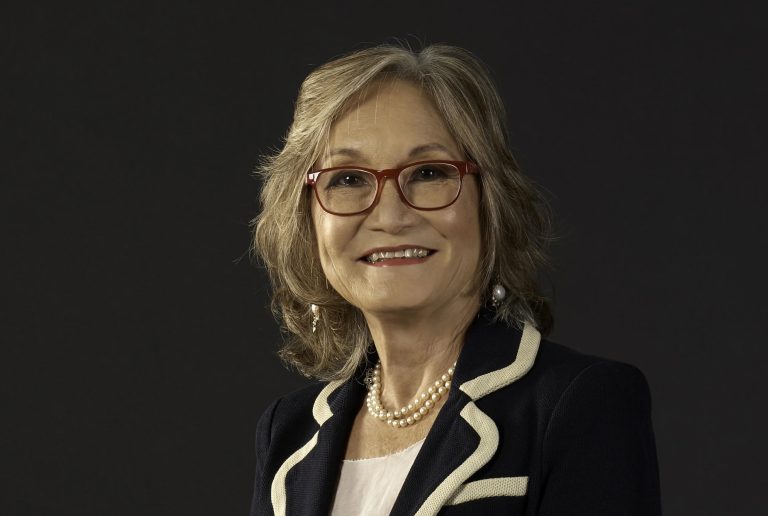
About Dr. Kerriann Peart
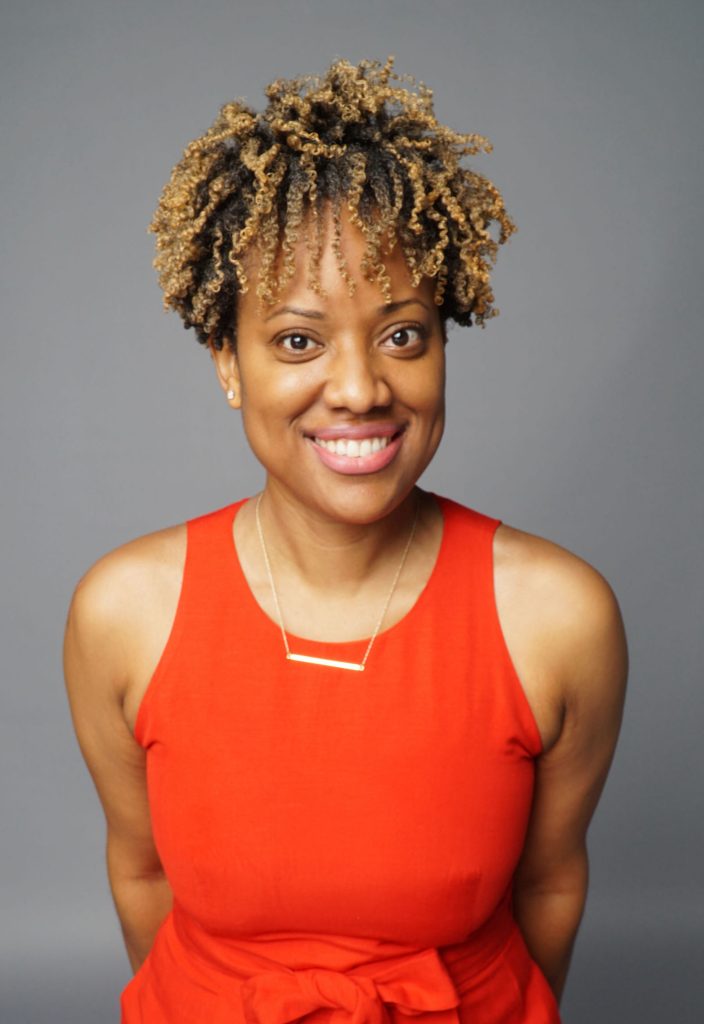
Dr. Kerriann Peart is an international leadership strategist, coach, and founder of Peart Consulting and IslandRooted Co. Her coaching work focuses on helping Caribbean and Caribbean diaspora women rethink how they lead, work, and live, particularly in high-performance environments where burnout is normalized. She coaches with women individually at all levels, and, as consultant and advisor, she has worked with major organizations like the Inter-American Development Bank, the Pan American Health Organization, and the International Monetary Fund.