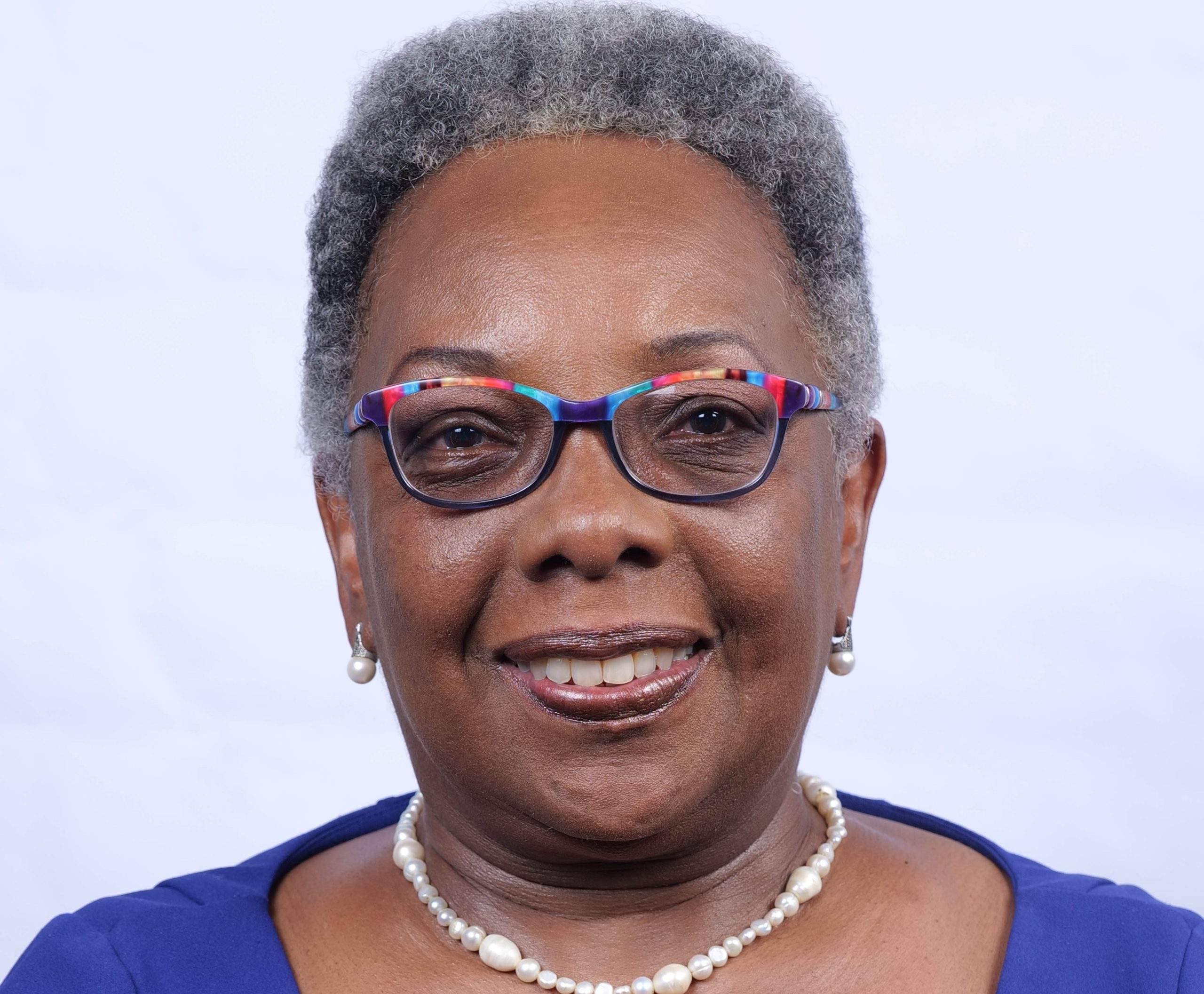
Dr. Leith Dunn: Advancing Gender Justice Through Knowledge, Policy, and Power
Dr. Leith Dunn is a Jamaican sociologist and gender specialist whose more than three decades of scholarship, teaching, and advocacy have shaped how gender equality is understood, taught, and implemented across the Caribbean. Trained at the London School of Economics and Political Science and the University of the West Indies, her work has consistently bridged research and policy—ensuring that gender justice is not treated as an abstract ideal, but as a practical requirement for equitable socio-economic development. As former Head of the UWI’s Institute for Gender and Development Studies (IGDS), Mona Unit, she played a defining role in institutionalizing gender analysis within Caribbean academia and governance.
It is this sustained, systems-shaping contribution that has led to Dr. Dunn being named a 2026 Women Impact Awards honoree, with the Awards to be presented at the Future Forward forum, taking place February 9–12, 2026, in Kingston, Jamaica. Convened by the Caribbean Philanthropic Alliance (CariPhil), Future Forward brings together leaders, advocates, scholars, and philanthropists committed to advancing equity, justice, and sustainable development across the Caribbean and its diaspora. The Women Impact Awards recognize women whose leadership produces enduring structural change—often quietly, but with far-reaching impact.
Building Institutions, Shaping Generations
Among Dr. Dunn’s most significant contributions is the successful development and implementation of the BSc in Gender and Development at UWI Mona between 2008 and 2020. She describes this work plainly as her “most impactful contribution to gender studies in the Caribbean,” noting that the programme resulted in “the graduation of more than 200 female and male students and scores of others with minors in gender and development studies.” Just as importantly, she emphasises that sustainability was built into the programme’s design: “Succession planning ensured recruitment of two excellent Heads of Department—Dr (now Professor) Karen Carpenter and Dr Dalea Bean. Both have expanded the programme.”
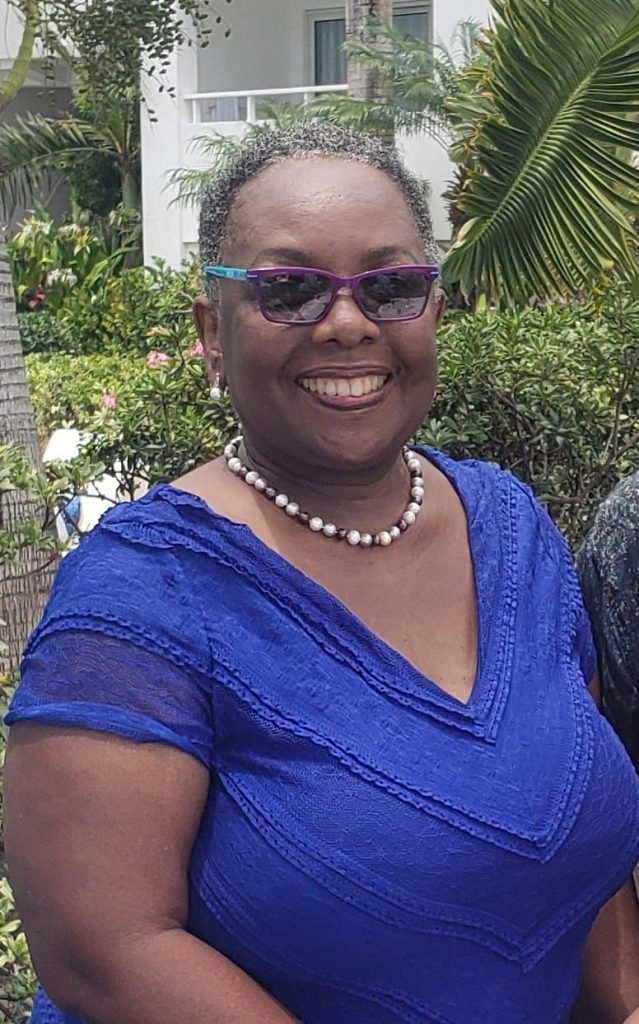
Her institutional leadership extended well beyond curriculum development. Dr. Dunn played a central role in supporting the development and implementation of UWI’s 2017 Gender Equality Policy and served as UWI Mona’s first Gender Focal Point, advancing gender mainstreaming across policies, programmes, and strategies. During this period, her research and teaching expanded into areas where Caribbean-specific evidence is critical. As she explains, her studies and publications focused on “mainstreaming gender in social, economic, political, and environmental policy issues,” while new courses were developed on “gender, climate change and disaster risk management, and gender, sexual and reproductive health, HIV and AIDS.” For more than 15 years, she has also delivered a module on gender issues in health for Family Medicine practitioners, reinforcing her belief that gender analysis must be embedded across sectors.
From Research to Rights-Based Change
For Dr. Dunn, research, activism, and philanthropy are inseparable tools for systemic change. She argues that “the interactions between research, activism, and philanthropic practice are essential to promote systemic change,” particularly in Caribbean societies shaped by “a history of exploitation and intersecting inequalities.” Research, she insists, must be multidimensional, multi-sectoral, and gender-sensitive—grounded in data that is disaggregated by sex and other social factors to inform effective policy.
She is a strong advocate for participatory action research, explaining that “PAR involves multi-stakeholder engagement” and allows communities to move beyond diagnosis toward solutions that are “equitable and sustainable.” In Jamaica, she points to persistent challenges such as gender-based violence, unequal access to care services, unemployment, limited access to finance for small businesses, and inadequate social protection—issues that require both evidence and collective action. Central to addressing them, she argues, is a rights-based approach to development, which “recognizes governments as the duty bearers, and citizens as rights holders,” and obligates states to ensure that national policies and programs are consistent with human rights commitments.
Women’s Leadership in a Time of Crisis
As Caribbean states confront climate change, health inequities, and economic precarity, Dr. Dunn is unequivocal that women’s leadership is no longer optional. “Women’s leadership is needed now more than ever globally, including in the Caribbean region,” she says, adding that “no major problems can be resolved without women’s equitable participation in leadership at the highest levels of decision-making.” While Caribbean countries are signatories to CEDAW, which calls for women to hold at least 30 percent of leadership positions, she stresses that representation alone is insufficient. Women must be empowered to influence budgets, policies, and long-term planning—particularly in Small Island Developing States facing disproportionate climate vulnerability and high burdens of non-communicable diseases.
She frequently points to leaders such as Mia Mottley as examples of gender-responsive leadership that connects climate justice, economic reform, and global accountability, while underscoring the urgent need for many more women across sectors to guide the region’s future.
A Legacy Still in Motion
Dr. Dunn’s influence extends well beyond Jamaica. She has advised the United Nations, served as a Commonwealth Advisor and Election Observer across Africa, and held honorary research and affiliate positions at universities in Botswana and South Africa—building South–South intellectual and advocacy networks that continue to shape gender policy and practice. Her body of work includes 10 books, numerous scholarly publications, technical reports, and training manuals that inform gender-responsive development across regions.
Reflecting on receiving the Women Impact Award, she describes the moment as “shocking, but also honouring and humbling,” while remaining firmly focused on the work ahead. After more than three decades of teaching, research, and advocacy, she is clear that “there is still much more work to be done,” and remains committed to women’s leadership, entrepreneurship development, and human rights—what she describes as “passing the baton to a younger generation.”In the spirit of the words that continue to guide her work, A luta continua—the struggle continues.