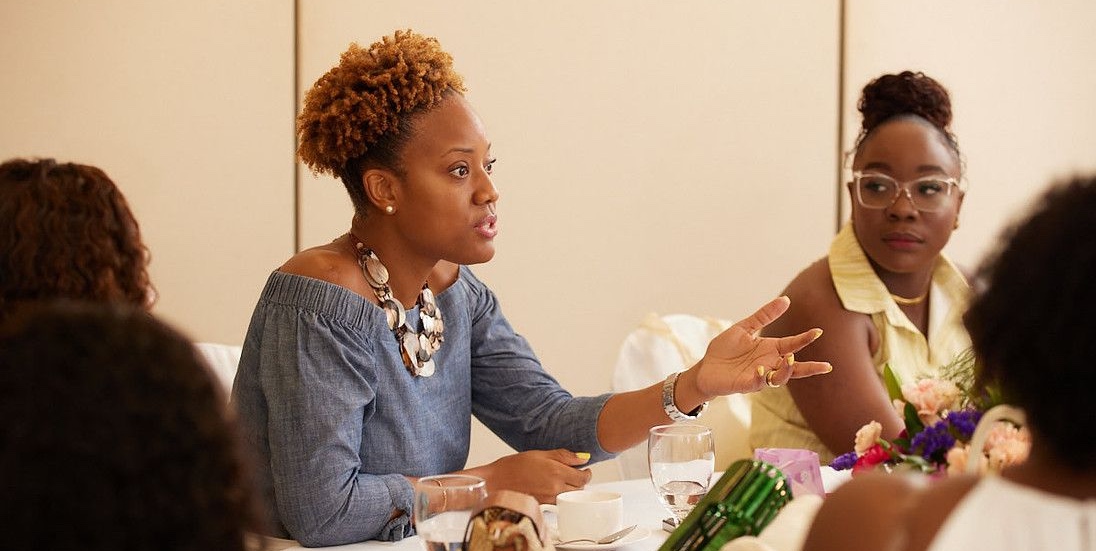
Dr. Kerriann Peart Is Challenging How Caribbean Women Are Taught to Lead
For many Caribbean women, leadership has long been defined by the ability to endure, deliver, and continue performing regardless of circumstance. It is a standard that is rarely stated outright, yet widely understood, shaping how women move through their careers and measure their own capacity.
Dr. Kerriann Peart’s work begins by challenging that expectation, not as an abstract idea, but as something she has lived through and now sees repeatedly in the women she supports.
“I define toxic resilience as buying into the idea that you can keep going, even when you know you are running on empty,” she says. “It is how we lie to ourselves that we are bouncing back.”
As a Jamaican leadership strategist and founder of Peart Consulting, Dr. Peart works with Caribbean and diaspora women who are often highly accomplished and deeply relied upon within their organizations, yet are also managing sustained levels of pressure that are neither acknowledged nor addressed. Her work sits at the intersection of leadership, culture, and lived experience, with a focus on how performance expectations are internalized over time and how they shape the way women lead, respond, and continue even when their capacity has been exceeded.
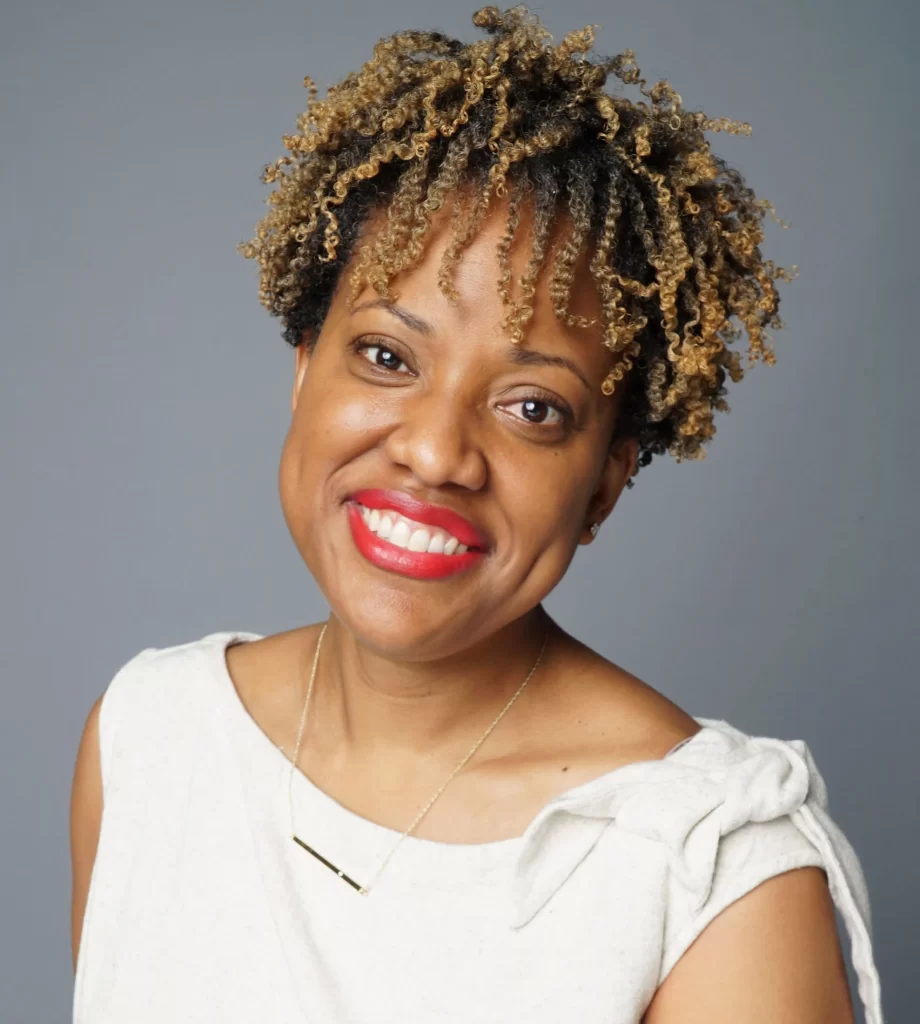
What She Learned Inside U.S. Workplaces
Dr. Peart’s perspective is grounded in more than two decades of professional experience across the United States, where she relocated in 2001 from Jamaica to pursue her university education and went on to build a career across nonprofit work, public health, education, and corporate leadership. Working within systems that required sustained performance and adaptability, she developed not only technical expertise in organizational change, but also a close understanding of how leadership is practiced and reinforced within high-pressure environments.
As a consultant and advisor, she has worked with organizations including the Inter-American Development Bank, the Pan American Health Organization, and the International Monetary Fund, supporting leadership and transformation efforts, while also serving in a senior advisory role within U.S. county government, where she led a health department restructuring that preserved more than 500 jobs during a period of institutional change.
Across these roles, what became increasingly clear to her was not only how systems functioned, but how leadership identity was constructed within them.
“I noticed that many individuals would lead in a manner that was about a title,” she explains. “That title gave them belonging, and from that belonging, they formed an identity. That identity then informed how they led.”
Her own orientation to leadership, shaped by her upbringing in Jamaica, did not follow that pattern, and over time, that difference revealed itself in how she navigated professional spaces where expectations around performance often left little room for complexity or variation in how people function.
“If you needed to have a human moment, you were holding up progress,” she says. “If you needed support to maintain your wellbeing, you were costing too much.”
These expectations were not always formally articulated, yet they were consistently reinforced, shaping how leaders showed up, what they suppressed, and what they came to believe was necessary in order to succeed.
Burnout as a Pattern, Not a Point
Over time, the impact of those environments became personal, unfolding not as a single breaking point, but as a series of experiences that accumulated across different periods of her life.
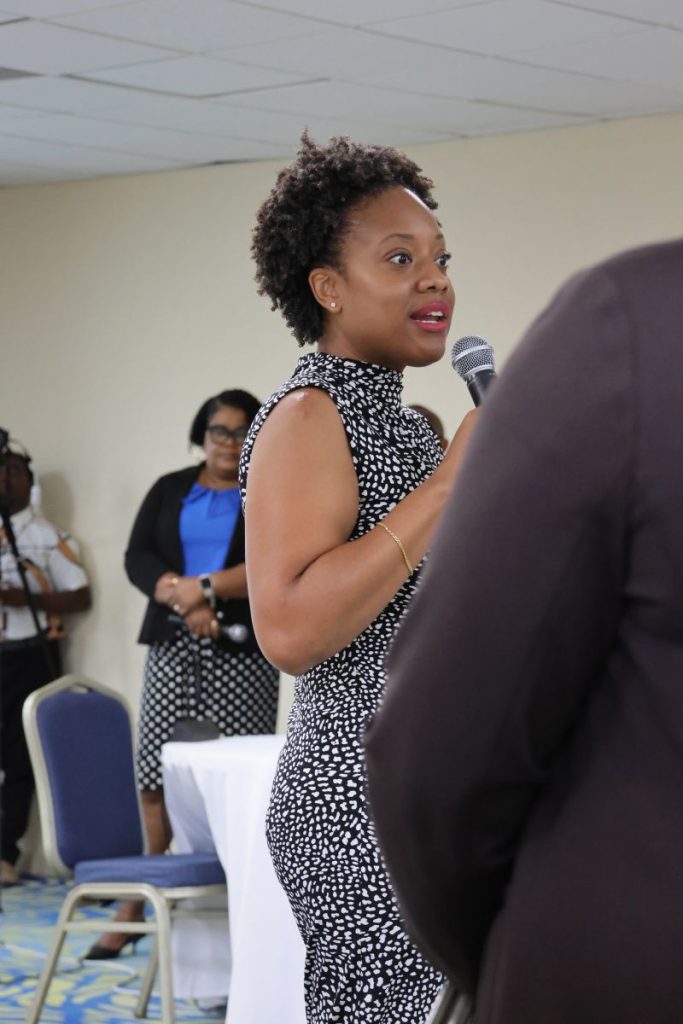
“Burnout has not been a one-time thing for me,” she says. “It has been a multiple-cycle event.”
The first cycle emerged in 2017, during a period when professional and personal responsibilities converged in a way that left little room for recovery. While maintaining full-time work and doctoral studies, she was also caring for both parents through serious health crises, including her mother’s cancer diagnosis and her father’s fifth stroke, navigating those demands simultaneously without any corresponding shift in professional expectations.
A second cycle followed during her grief after her mother’s passing, when, despite moving into a more supportive work environment, the cumulative effects of sustained strain continued to shape her energy, focus, and engagement, illustrating that recovery is not immediate simply because circumstances change.
By 2023, after several roles and repeated exposure to similar leadership cultures, a third cycle of burnout led her to step away from corporate employment altogether, marking a point at which the pattern was no longer something to manage, but something to interrogate.
“This is why I say keeping personal and professional separate is not a real thing,” she explains. “They are always interacting.”
What She Now Sees in Other Women
That shift in perspective allowed Dr. Peart to recognize that what she had experienced was not isolated, but reflective of broader patterns within leadership culture, particularly among Caribbean women navigating both professional expectations and deeply embedded cultural norms.
In her work, she now hears similar language repeatedly, often framed as responsibility or commitment, but carrying a different weight in practice.
“I’m okay, I’m just pushing through.”
“If I don’t do it, who will?”
These statements signal more than determination. They reflect a learned orientation toward work in which performance continues regardless of capacity, supported by cultural expectations around strength, sacrifice, and reliability that are rarely questioned, even when they result in sustained strain.
The impact of that pattern is visible in the experiences of the women she works with, where high performance often coexists with disrupted sleep, chronic stress, anxiety, and fatigue, alongside a growing sense of disengagement that is not always immediately recognized as burnout.
She also points to an additional layer that is frequently overlooked, noting that many women are navigating burnout at the same time as perimenopause, without adequate information or support to distinguish between the two, which further complicates how they understand their own physical and emotional responses.
It is within this context that she defined toxic resilience, not simply as a concept, but as a way of naming a pattern that has long been normalized.

The Work She Built and What It Offers
In response to these patterns, Dr. Peart founded Peart Consulting, where her work focuses on leadership development, executive coaching, and organizational change, with an emphasis on how individuals function within the systems they are expected to perform in, rather than treating leadership as a set of isolated behaviors.
Her approach considers multiple layers at once, including performance expectations, organizational culture, and individual capacity, recognizing that leadership is shaped as much by environment as it is by skill or intention.
This work is structured through her GALE Framework, which integrates emotional intelligence and cultural intelligence into leadership practice, providing leaders with practical tools to assess how they engage, how they navigate different cultural environments, and how they sustain their effectiveness over time without defaulting to patterns of overextension.
Now based in the Caribbean, she continues to work across the region while maintaining an international client base, and also serves as a lecturer at the University of the West Indies, contributing to the development of public health leadership at the graduate level.
Her return to the region has reinforced her view that leadership must be developed in context, particularly in environments where historical structures continue to shape how organizations operate.
“I see the opportunity for us to adapt, not adopt,” she says, emphasizing the importance of approaches that reflect the realities of Caribbean professionals rather than replicating external models.
What She Wants Caribbean Women to Take From This
At the center of Dr. Peart’s work is a message that is both practical and direct, grounded in the experiences she has lived and the patterns she now sees across the women she supports.
“I want women to know they are worth being supported in letting go of the façade,” she says. “Let go of the masks you are wearing and come back to yourself.”
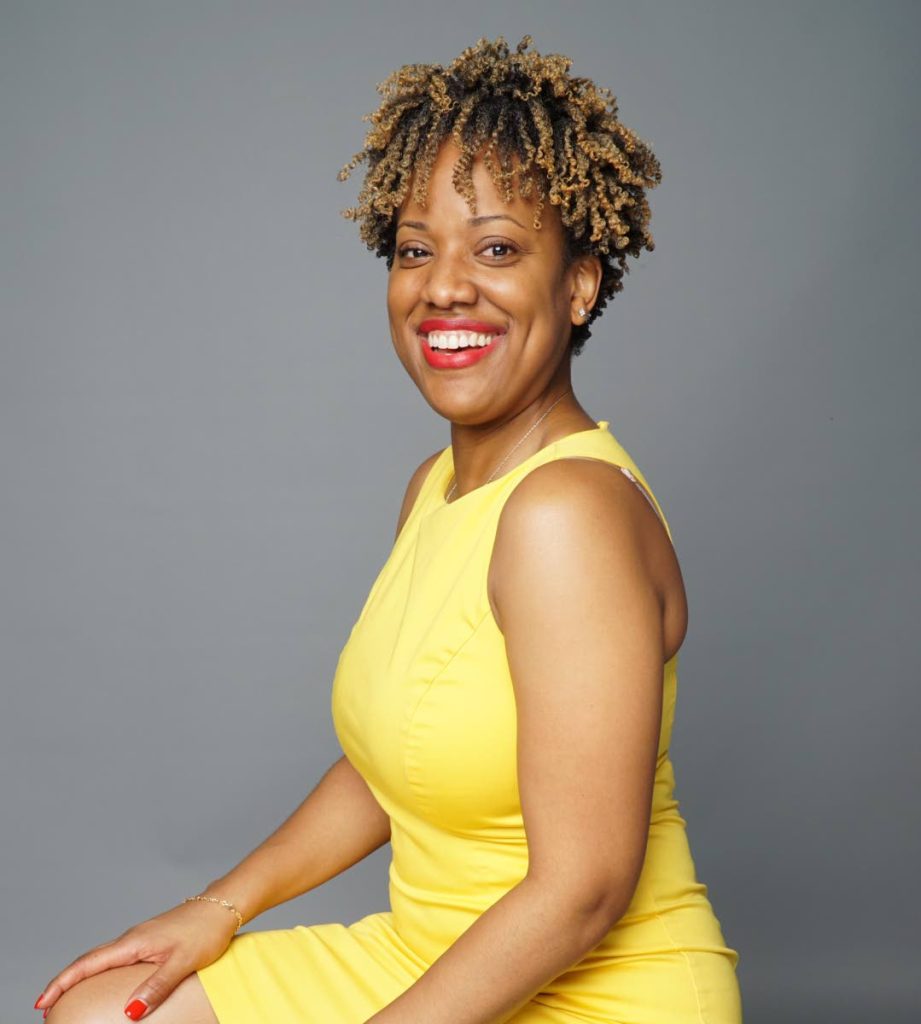
For many Caribbean women, that shift requires more than individual reflection. It involves re-examining long-standing beliefs about strength, responsibility, and what it means to succeed, particularly in environments that continue to reward endurance without accounting for its cost.
Through her work, Dr. Peart offers not only language for understanding these patterns, but also a framework for navigating them differently, with a focus on sustainability, clarity, and a more grounded approach to leadership over time.
Connect with Dr. Kerriann Peart online at peartconsulting.org