
The St. Kitts Retreat Helping Caribbean Women Break the Silence Around Their Bodies
Across the Caribbean, conversations about women’s health often happen quietly — in passing jokes, whispered advice between friends, or the resigned acceptance of symptoms many women are told to simply endure. Urinary leakage after childbirth, persistent pelvic pain, digestive discomfort, and other pelvic floor issues are frequently treated as inevitable parts of womanhood rather than medical concerns worthy of attention.
Yet research suggests these experiences are far from rare. Nearly one in three women will experience pelvic floor dysfunction during their lifetime, including conditions such as urinary incontinence, pelvic organ prolapse, and chronic pelvic pain. Despite how common these conditions are, awareness and education around pelvic health remain limited in many communities, particularly among women of color.
For pelvic health physical therapist Nadia Mills, who traces her roots to St. Kitts and Nevis, the silence surrounding these issues is both cultural and deeply personal.
“As a pelvic health physical therapist, I have seen how much unnecessary suffering comes from that silence,” Nadia says.
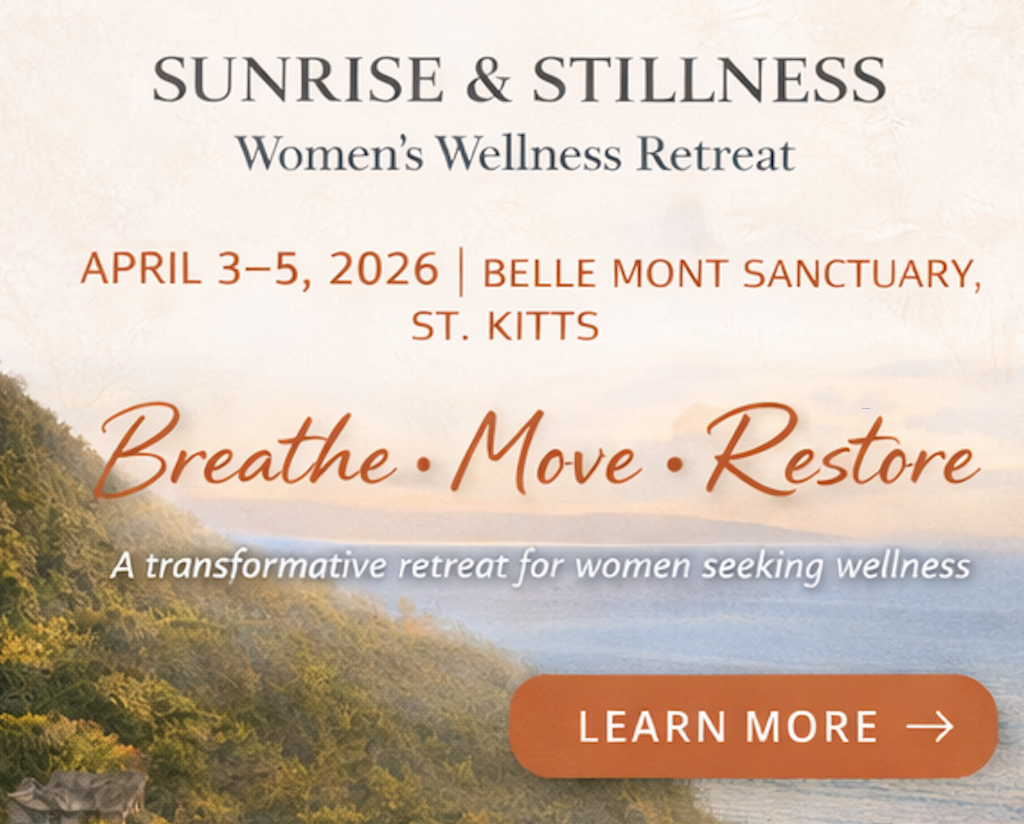
That silence, and the growing desire among women to change it, forms the backdrop for Sunrise & Stillness, a three-day women’s wellness gathering taking place April 3–5, 2026 at Belle Mont Sanctuary at Kittitian Hill in St. Kitts.
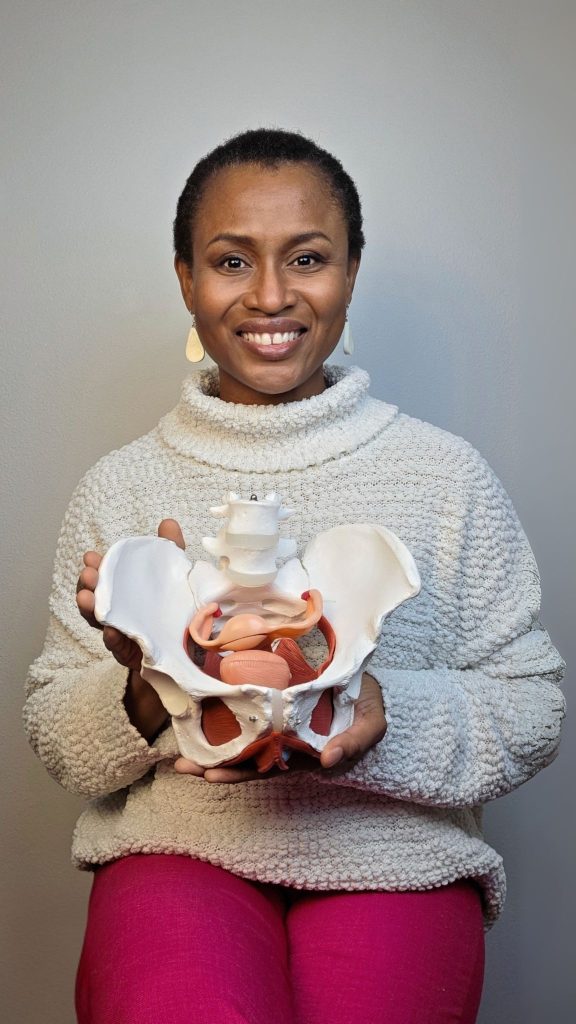
Designed around movement, skincare, pelvic health, nutrition, and emotional well-being, the retreat creates a space where women can engage openly with topics that have often been avoided.
But the retreat itself is only one part of a much larger conversation.
Across the Caribbean and its diaspora, more women are beginning to ask deeper questions about their health, their bodies, and the cultural narratives that have shaped how those topics are discussed.
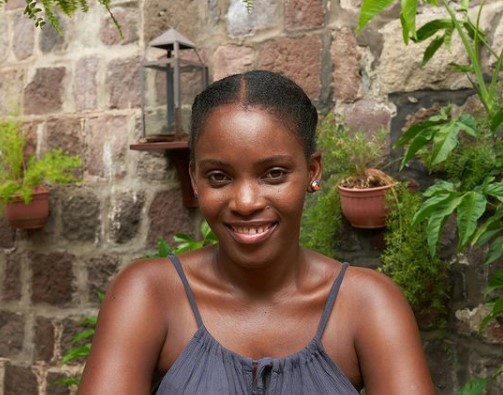
For Nadia and her cofounder, St. Kitts-based wellness practitioner Anastasha Elliott, Sunrise & Stillness reflects that shift.
“This is the era where women are more open and willing to seek out this type of support and knowledge,” Nadia says. “We wanted to create a very safe and supportive environment for them.”
When Humor Masks a Health Issue
In Caribbean culture, bodily experiences often appear in conversation through humor rather than medical language.
Nadia points to a well-known example from Caribbean music. Trinidadian calypsonian Edwin Ayoung, widely known as “Crazy,” built part of his career around comedic songs about constipation, including the crowd favorites I Cash It and I Ain’t Coming Out of Here Until I Finish It.
Audiences laugh because the experience is so familiar.
Yet from a medical perspective, the issue is far more significant than the jokes might suggest.
“What many people may not realize,” Nadia explains, “is that constipation is actually a pelvic floor dysfunction.”
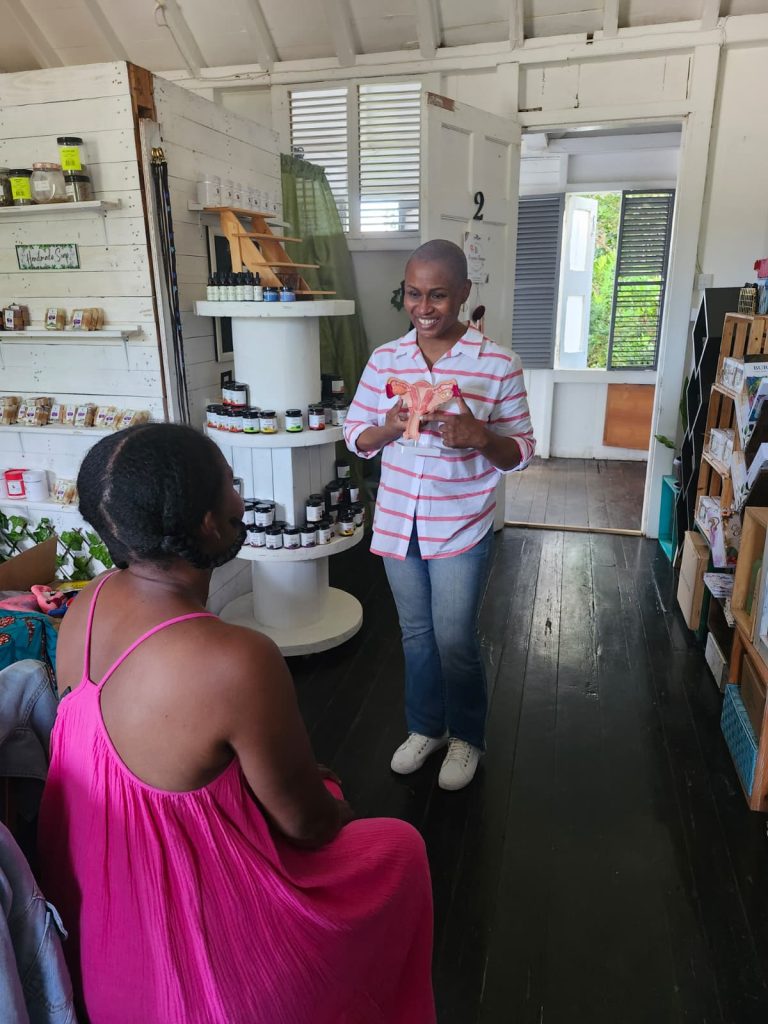
Pelvic floor dysfunction occurs when the muscles and connective tissues that support the bladder, bowel, and reproductive organs are unable to function properly. The condition can manifest in a wide range of symptoms — from urinary leakage and bowel difficulties to pelvic pain or discomfort during intimacy.
Because many of these symptoms are normalized, countless women never seek care.
“You hear jokes about leaking when laughing, or quiet conversations about discomfort during intimacy,” Nadia says. “Because these experiences are so common, many women have simply accepted them as normal.”
Left unaddressed, pelvic floor dysfunction can contribute to chronic pain, digestive complications, and reduced quality of life.
“Women are often told that leaking urine after childbirth is normal, that pelvic pain is something to endure, or they are never taught how the pelvic floor actually works,” Nadia says.

A Cultural Tradition of Strength
Part of the challenge lies within the cultural expectations placed on Caribbean women themselves.
Across the region, women are often raised within traditions that celebrate resilience and self-sacrifice. Caribbean women are widely recognized as pillars of their families and communities — caretakers, professionals, mothers, entrepreneurs, and cultural leaders.
But that strength can sometimes come with an unspoken cost.
“Culturally, many Caribbean women are raised to be givers,” Nadia explains. “We are taught to be independent, incredibly strong, and resilient.”
Within that framework, women frequently prioritize the needs of others over their own physical well-being. Many push through pain or discomfort, assuming it is simply part of life.
“What women often need most,” Nadia says, “is knowledge, community, and reassurance that their concerns and feelings are valid.”
Across the Caribbean and its diaspora, more women are beginning to seek that knowledge — exploring new ways to understand their bodies while reconnecting with cultural traditions of care.
Reconnecting Health, Culture, and Community
While wellness retreats have become increasingly popular worldwide, Sunrise & Stillness draws from a distinctly Caribbean understanding of health.
“Caribbean cultures have long understood something that modern wellness is rediscovering,” Nadia says. “Healing is not just clinical. It is environmental, cultural, and communal.”
For generations across the region, healing has included herbal remedies, nourishing foods, time spent outdoors, and community spaces where knowledge and experience are shared.
The retreat reflects that philosophy. Over three days, participants engage in guided movement, educational sessions on pelvic health and nutrition, reflective journaling, and facilitated conversations about emotional well-being. Time is also intentionally built into the experience for rest, reflection, and connection with the natural landscape of St. Kitts.
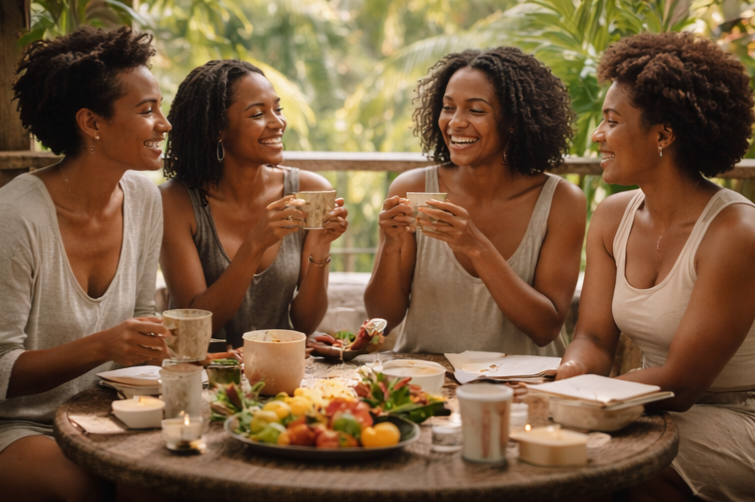
In place of a tightly packed schedule, the experience emphasizes rhythm, balancing learning with restoration.
“Rather than focusing on isolated problems,” Nadia explains, “Sunrise & Stillness approaches wellness through a whole-body lens.”
Reclaiming Wellness Through Caribbean Heritage
For cofounder Anastasha, a St. Kitts–based wellness practitioner and founder of Sugar Town Organics, Sunrise & Stillness is also about reconnecting women with traditions of care that have long existed within Caribbean culture.
“For generations, Caribbean women have carried knowledge about healing in quiet ways,” Anastasha says. “It lived in the teas our grandmothers brewed, the oils they massaged into tired bodies, the foods they prepared, and the time they spent outdoors restoring themselves after long days of caring for everyone else.”
Yet much of that wisdom has gradually been overshadowed by modern lifestyles and the pressures many women carry today.
“Many Caribbean women have been raised to be strong, to give endlessly to family, community, and work,” Anastasha explains. “But strength should not mean silence about our health or disconnection from our bodies.”
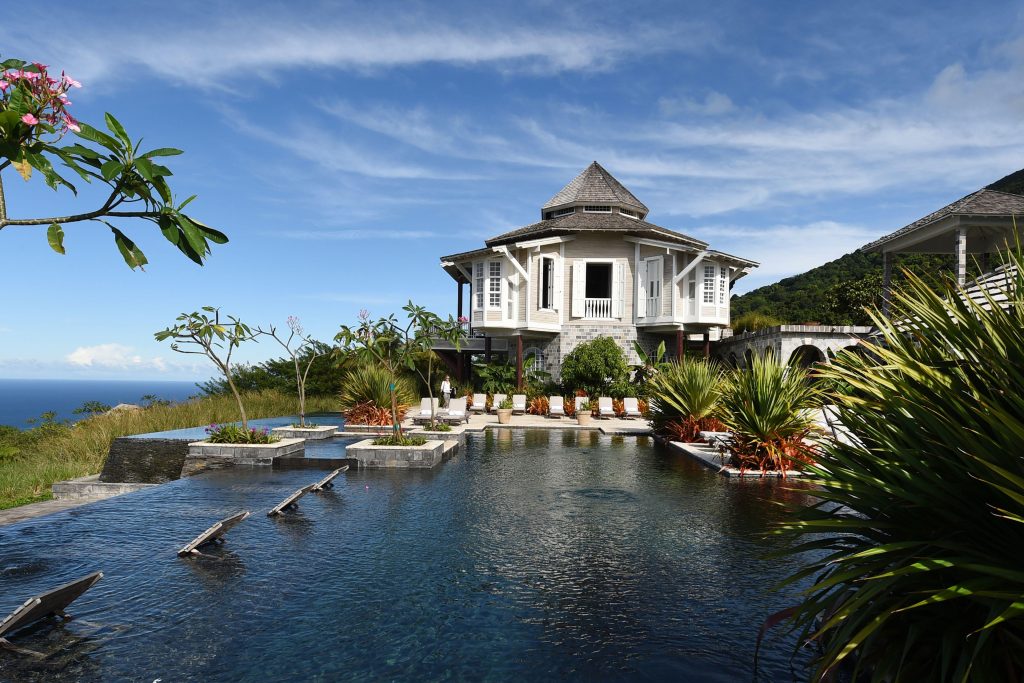
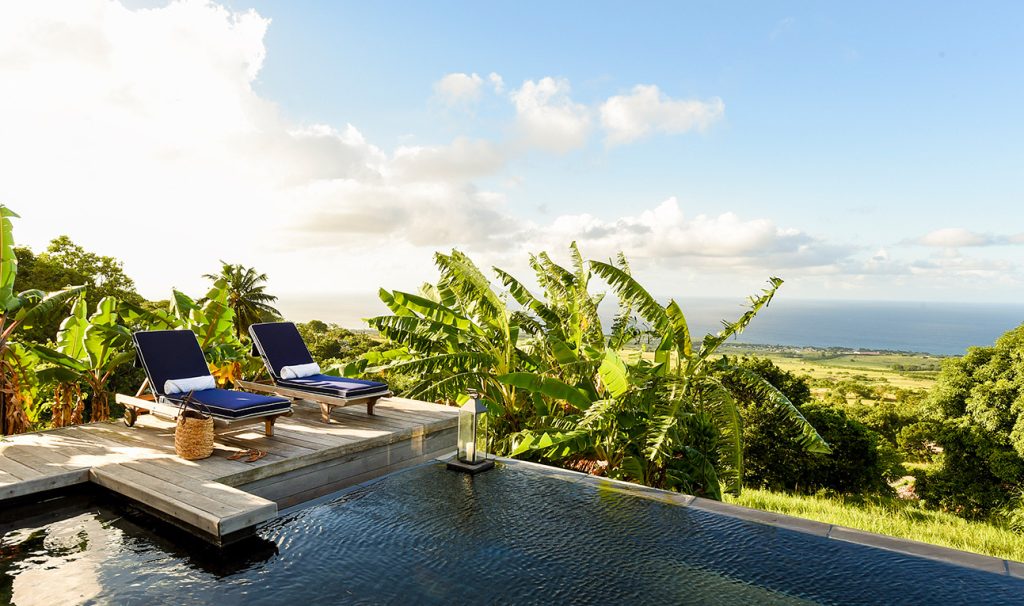
For Anastasha, hosting Sunrise & Stillness in St. Kitts is intentional. The island’s natural environment — its mountains, sea, air, and agricultural heritage — offers a setting where women can pause, reflect, and reconnect with themselves.
“This retreat is really about remembering,” Anastasha says. “Remembering that our bodies deserve care, that our health matters, and that the wisdom of our culture has always held tools for healing.”
“Our grandmothers understood that healing lives in the land and all it provides, in community, and in the way women support one another,” Anastasha adds. “We are simply creating a space where women can return to that.”
Understanding the Body as an Interconnected System
At the heart of the retreat’s philosophy is the recognition that the body functions as a complex and interconnected system.
The retreat’s five pillars (movement, skincare, pelvic health, nutrition, and emotional well-being) were intentionally selected to reflect that reality.
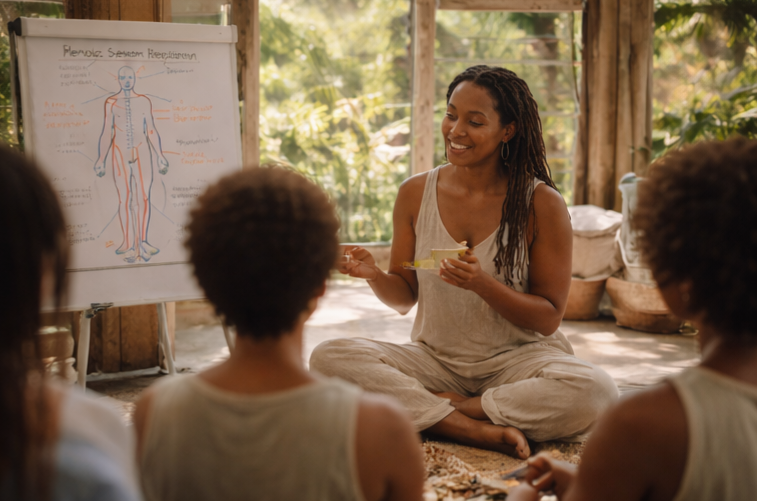
“Our pelvis is a true testimony to that,” Nadia says.
Pelvic floor function can be influenced by posture, movement patterns, stress levels, nutrition, sleep, and emotional health. Addressing only one aspect of wellness without considering the others often leaves underlying issues unresolved.
For Nadia, education is the foundation of meaningful change.
“Pelvic health education helps women understand how their bodies actually function,” she says.
When women gain that knowledge, symptoms that once felt confusing or isolating can begin to make sense.
A Space for Women in Transition
Sunrise & Stillness is designed particularly for women navigating periods of transition.
Pregnancy and postpartum recovery. Hormonal changes in midlife. Perimenopause. Or simply the moment when a woman realizes that years of caring for others have left little space to care for herself.
“Many women spend years caring for others, building careers, supporting families, and moving through life at a very fast pace,” Nadia says. “Somewhere along the way, they stop checking in with their own bodies and their needs.”
The retreat offers space for those reconnections to begin; through education, reflection, and community.
Participants are encouraged not only to learn new information but also to reflect on their personal experiences with their bodies, often for the first time in years.
The Beginning of a Larger Movement
For Nadia and Anastasha, Sunrise & Stillness represents the beginning of something larger than a single gathering.
“My vision is for Sunrise & Stillness to become an annual gathering for generations to come,” Nadia says. “Bringing together education, culture, and community to empower women through knowledge and connection.”
The retreat is also connected to Nadia’s nonprofit work through The Pelvic Health and Healing Institute, which focuses on expanding pelvic health education and access to care, as well as Anastasha’s wellness initiatives through Balm and Body and Sugar Town Organics.
Together, the founders see Sunrise & Stillness as part of a growing movement in which Caribbean women are reclaiming conversations about their health and redefining what wellness can look like within their own cultural context.
“The biggest transformation I hope for is awareness,” Nadia says.
“Not every woman will leave with all the answers, but we hope they leave with a deeper understanding of their bodies and the confidence to continue exploring their health.”
For many women, that awareness can be transformative.
“I want women to realize that their bodies are not broken,” she says. “Many of the symptoms they experience have explanations and solutions.”
Sunrise & Stillness takes place April 3–5, 2026 in St. Kitts.
Learn more at sunriseandstillness.com