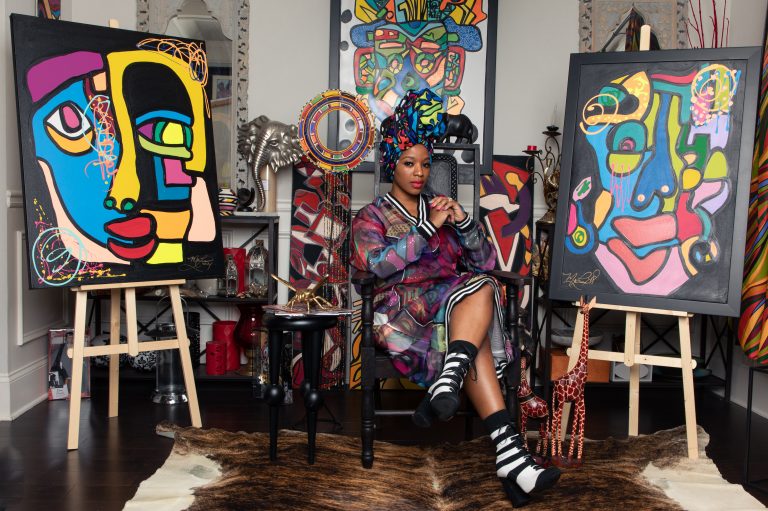
The Business of Luxury Events & Cultural Authority with Shikima Hinds
Jamaica’s tourism economy generates billions annually and remains one of the country’s most visible global exports. Yet beyond resort marketing and cruise itineraries, a quieter evolution has been taking place within the island’s independent luxury events sector. Increasingly, Jamaican-owned firms are moving from vendor status to strategic authority, shaping not only how events are executed, but how the country itself is experienced.
Among the clearest examples of that shift is Kingston-based event strategist Shikima Hinds.

Founder of Shikima Hinds Events & Concierge, Hinds operates independently of resort ecosystems, integrating event design, logistics management, concierge services, and vendor oversight under one controlled structure. The distinction is significant. Independence allows for quality control, localized sourcing, and direct accountability — variables that ultimately define whether a luxury experience feels authentic or manufactured.
Operational Discipline Over Aesthetic Trend
Hinds’ career began in hospitality and food and beverage management, with early professional experience at The Ritz-Carlton Rose Hall. That foundation continues to shape her approach.
“Luxury doesn’t have to be loud,” she says. “It’s about balance, intention, and execution.”
Execution is central. In a region where weather volatility and infrastructure realities can quickly disrupt plans, sequencing, staffing, and contingency planning matter as much as design. The global destination wedding market, valued at tens of billions annually, rewards planners who can combine creativity with operational control.
Hinds built her firm to do exactly that.
Designing From Place, Not Importing From Abroad
Jamaica consistently ranks among the Caribbean’s top wedding destinations. But as global travel rebounds and diaspora identity deepens, clients are increasingly rejecting standardized resort aesthetics.
“I don’t try to impose a theme on anyone’s wedding,” Hinds explains. “My role is to create a feeling that represents the couple, while respecting the environment of the venue they’ve chosen here in Jamaica.”

That philosophy reshapes design decisions. Rather than defaulting to imported floral packages or trend replication, her firm prioritizes local foliage, indigenous materials, and geographically coherent palettes. Menus often interpret Jamaican flavor profiles through refined international presentation. Music is selected deliberately, shaping emotional progression across ceremony, dinner, and reception.
“Music stands out to me because it carries so much feeling,” she says. “It creates romance. It creates joy. It instantly makes you feel like you’re somewhere special.”
In this model, authenticity is not branding. It is alignment.


Cultural Fluency as Competitive Advantage
For Caribbean American couples, weddings in Jamaica often function as both celebration and reconnection. Navigating that dynamic requires more than logistics.
“There’s a level of trust involved,” Hinds notes. “You’re not just planning an event. You’re managing someone’s idea of home.”
Her position between local infrastructure and international expectation reduces friction — and in luxury environments, friction translates directly into risk. She understands vendor ecosystems, regulatory processes, and geographic nuance, while also meeting the service standards expected by clients accustomed to U.S. or U.K. markets.

Scale, Resilience, and Reputation
Hinds’ firm operates with a core team supported by a scalable network of specialists, allowing flexibility without sacrificing oversight. Her portfolio includes high-profile celebrations and complex productions requiring compressed timelines and rapid vendor coordination — particularly in the wake of weather disruptions that have tested operational resilience across the Caribbean.
In global markets, reliability defines credibility.
Her model also reinforces domestic creative economies. By prioritizing Jamaican florists, rental houses, musicians, and culinary professionals, revenue circulates locally rather than defaulting to imported aesthetics. As Jamaica positions itself as a premium destination rather than a mass-market escape, the presence of locally headquartered firms capable of delivering international standards strengthens that narrative.

Beyond the Event
Hinds has expressed interest in expanding her expertise overseas. The strategic question is not whether Jamaican event professionals can compete globally, but how expansion occurs without eroding cultural specificity.
“We’re not trying to focus only on international designs,” she says. “We want to be executed at an international standard.”
That distinction is important. Exporting operational excellence and cultural intelligence may prove more sustainable than exporting aesthetic sameness.
What distinguishes Shikima Hinds is not a signature style or a fixed template. It is the integration of systems, cultural fluency, and economic awareness into a disciplined business model.
In an industry often driven by spectacle, she is building infrastructure.
And that shift signals a broader maturation within Jamaica’s independent luxury events sector — one in which local operators are shaping the narrative on their own terms.
Check out Shikima Hind’s work at www.shikimahinds.com