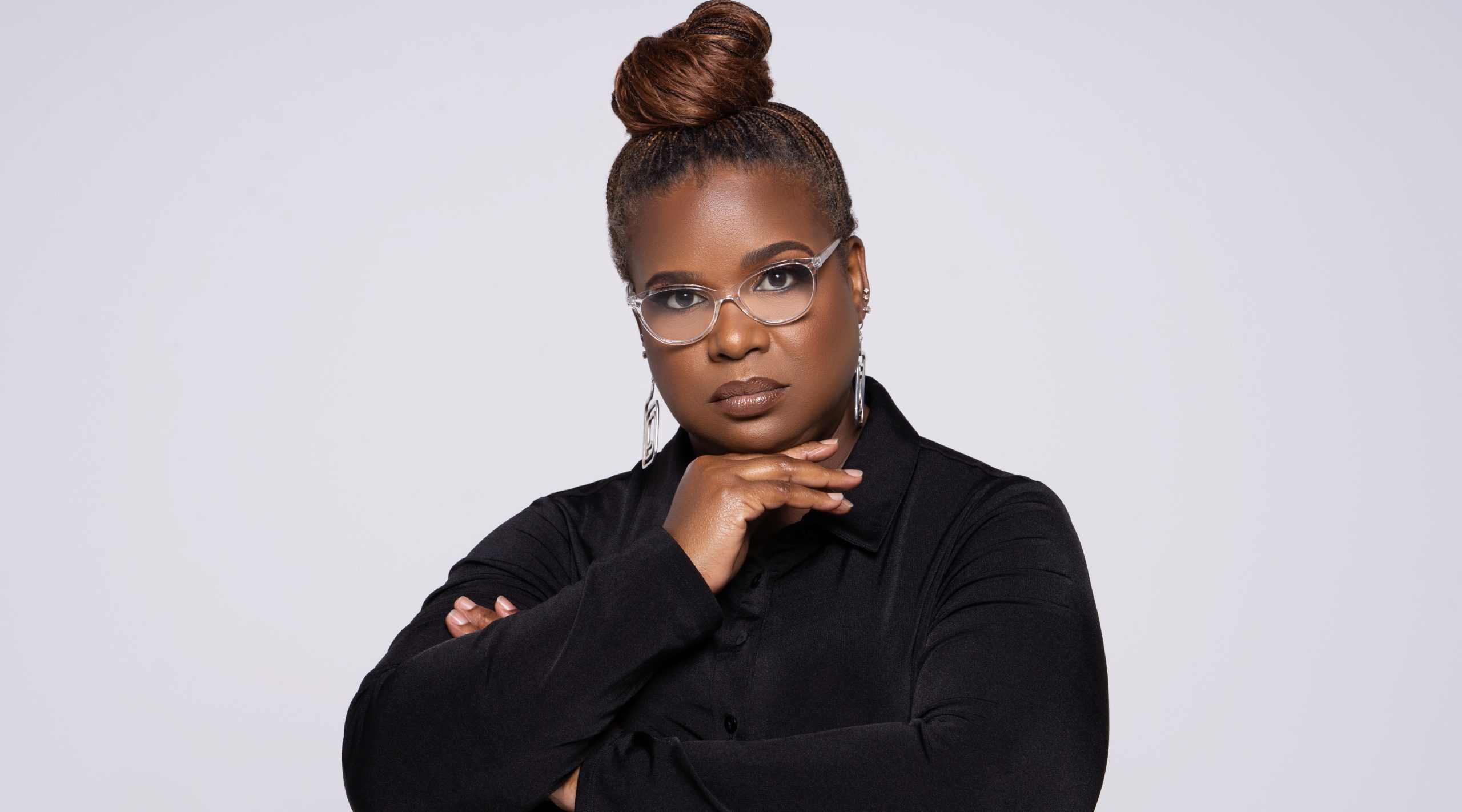
Susan Peterkin Is Changing the Way Black Women Think About Hair Loss
The Jamaican-born cosmetologist, educator and industry innovator has spent more than four decades helping Black women understand their hair. Today, her work is expanding the conversation to include scalp health, hair loss and a new model of collaboration between cosmetologists and dermatologists.
When Susan L. Peterkin immigrated to the United States from Kingston, Jamaica, as a teenager in 1981, she did not imagine that she would spend the next four decades building a career in the beauty industry. At the time, she envisioned eventually working in marketing for one of the major hair companies that dominated the market.
Her plans changed when she began working directly with clients.
“There was something about the immediate gratification of being able to make a difference in someone’s life and see that difference right in front of you,” Peterkin says. “I loved the relationships I built, the trust clients placed in me and, quite frankly, I also realized that I could build a very good living doing work that I enjoyed.”
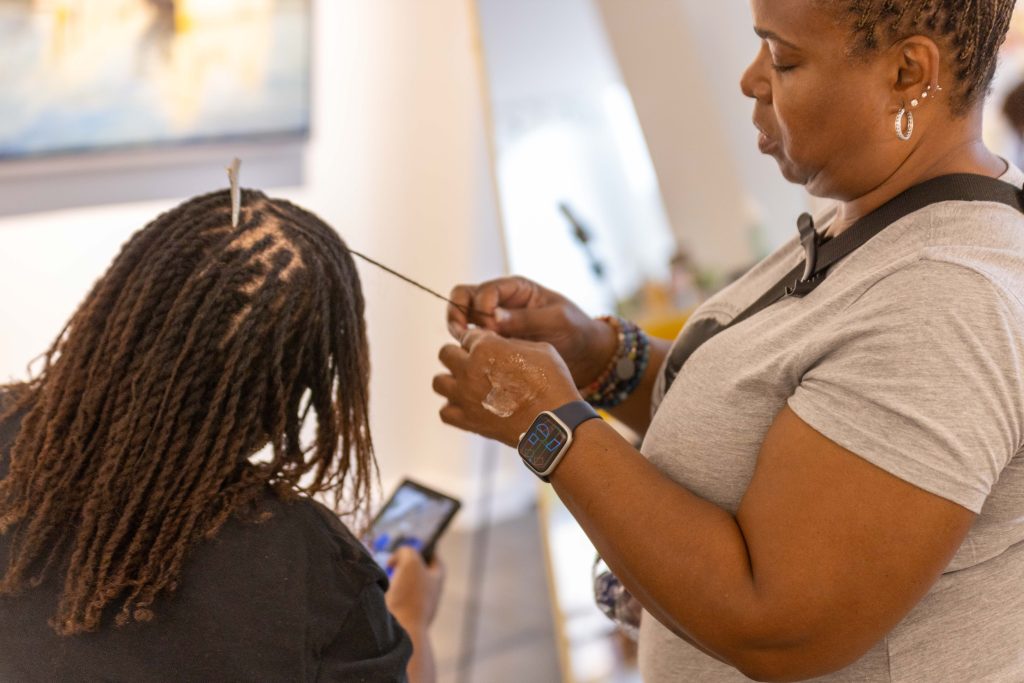
That early appreciation for the relationship between a woman and the person caring for her hair has remained a defining feature of Peterkin’s career. What began as a career behind the salon chair developed into a much broader commitment to natural hair education, professional training and community advocacy, and eventually into work at the intersection of cosmetology and dermatology.
Today, Peterkin is the co-founder of S.T.R.A.N.D.—Stylists Training, Researching, and Networking with Dermatologists—and PeterKINdred Hair & Scalp Wellness Center. Through these organizations, she is working to change how cosmetologists are educated about hair and scalp health and how they collaborate with dermatologists when clients experience hair loss or other scalp concerns.
REGISTER FOR AN UPCOMING S.T.R.A.N.D. POP-UP SALON OR WORKSHOP
But the foundation for that work was laid much earlier.
Building a career around natural hair
In 1996, Peterkin opened Jaha Hair Studio, the first all-natural hair salon in the DMV area. The salon grew to a team of 10 stylists and served more than 20,000 clients, giving Peterkin a front-row view of the changing relationship Black women were developing with their natural hair.
Her work quickly expanded beyond providing services in the salon. In 2003, she founded JAHA Natural Hair Academy as an education arm of the business, developing training in natural hair techniques, scalp care, shampoo methodologies and business practices for other professionals.
She also began creating educational opportunities for consumers. Through initiatives such as My Hair, My Way, launched in 2013, Peterkin provided hands-on guidance to natural-hair consumers on at-home care and maintenance. Earlier, in 2012, she created the Nurturing the Natural You Conference, a self-empowerment event focused on mental wellness, physical health and cultural appreciation within the natural-hair community.
Her commitment to education eventually extended to the industry itself. Peterkin co-founded the Natural Hair Industry Convention, a national trade and education platform serving cosmetologists, braiders, locticians, barbers and natural-hair stylists. The convention eventually incorporated a consumer education day, helping members of the public better understand how to care for their natural hair at home.
Over the years, Peterkin has also taught and demonstrated natural-hair techniques through major beauty-industry platforms, including America’s Beauty Show, Premiere Orlando, SalonCentric and Bumble and Bumble’s flagship salon in New York.
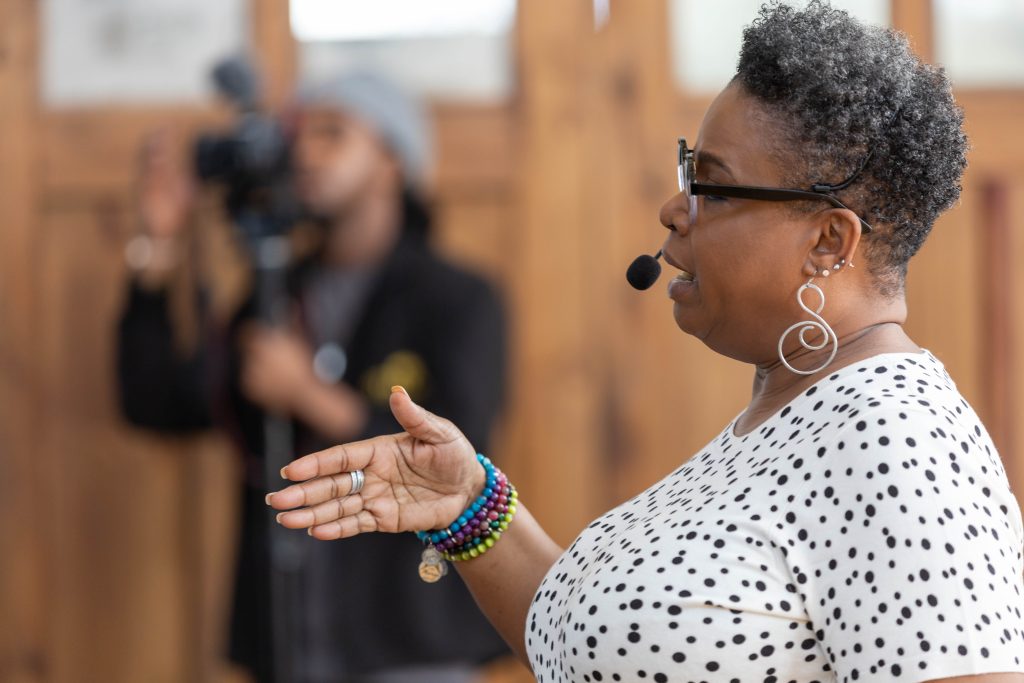
Taken together, these efforts reveal a consistent thread in her career. Peterkin has never viewed hair care simply as a service delivered in a salon. She has treated it as an area of knowledge that women should have access to and professionals should be properly trained to provide.
That philosophy has also informed her community advocacy. Her work has included programs designed to help consumers develop greater confidence in caring for their natural hair, as well as advocacy around the CROWN Act. Her community programming has addressed natural hair, physical health, mental wellness and cultural appreciation, reflecting her belief that the way Black people understand and experience their hair extends well beyond styling.
When her own experience changed the direction of her work
Peterkin’s career took another turn when she began experiencing hair loss herself.
Approximately a decade after becoming a salon owner, she noticed changes in her own hair and scalp while also seeing similar changes among many of her clients. She encountered scalp conditions she did not understand and initially did not have the medical education to interpret what she was seeing.
“I also remember seeing scalp conditions that I simply didn’t understand at the time,” Peterkin says. “At some points, I became so concerned about whether what I was seeing was contagious that I stripped the salon, discarded brushes and combs and replaced everything.”
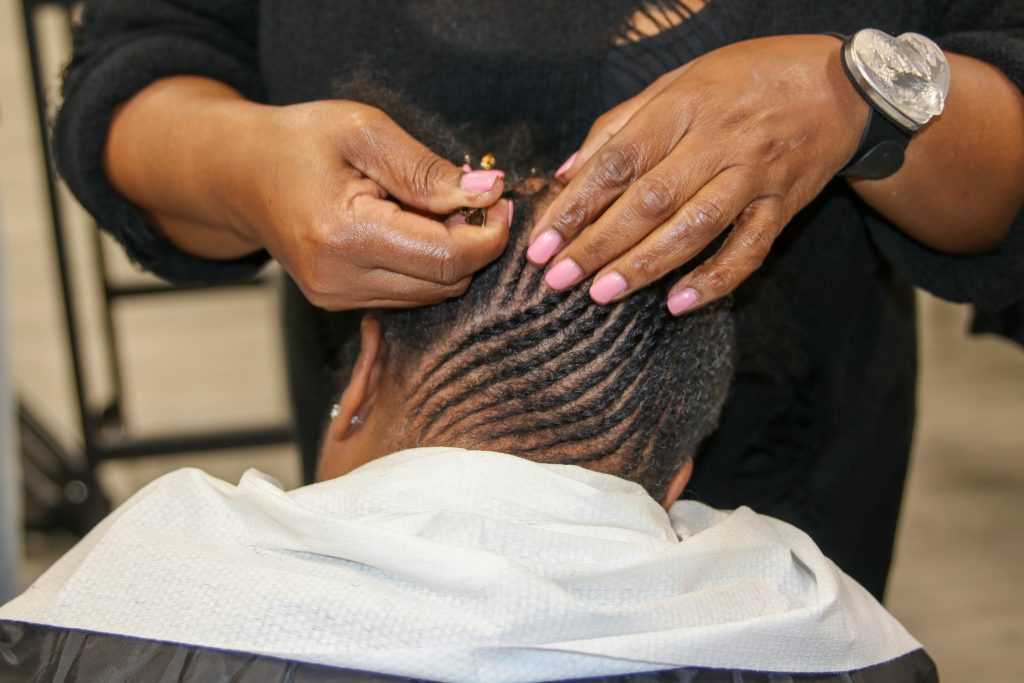
The experience made her confront a limitation that is rarely discussed in conversations about the expertise of beauty professionals: extensive experience with hair does not necessarily provide the medical knowledge required to understand every condition that can affect the scalp.
“Looking back, that experience is important to me because it reminds me what it’s like to be a very experienced cosmetologist and still not have the education to understand everything you’re observing on the scalp,” she says.
Rather than trying to move beyond the boundaries of cosmetology, Peterkin began to think more carefully about what those boundaries should mean. “I don’t have to diagnose what I see,” she explains. “But I do have a responsibility to recognize change and guide that client responsibly.”
That realization led her toward dermatology and eventually to Dr. Chesahna Kindred.
Peterkin began referring clients to Kindred and later became her patient after being diagnosed with CCCA and female pattern hair loss. Her experience as a patient gave her a different understanding of what she had been seeing in the salon and helped her recognize the value of communication between the two professions.
“As I started seeing results and learning from her during treatment, something else happened: I became much more confident talking to my own clients,” Peterkin says. “I understood more of the language. I understood more of what I was observing. I better understood when a scalp concern required a referral to a dermatologist.”
The relationship between Peterkin and Kindred eventually became the basis for PeterKINdred Hair & Scalp Wellness Center. The model brings cosmetology and dermatology together in the care of clients experiencing hair loss and scalp concerns, with Peterkin providing scalp-aware hair services while working in collaboration with dermatologists. The materials provided by Peterkin’s team identify the practice as the first dermatologic salon model in the United States.
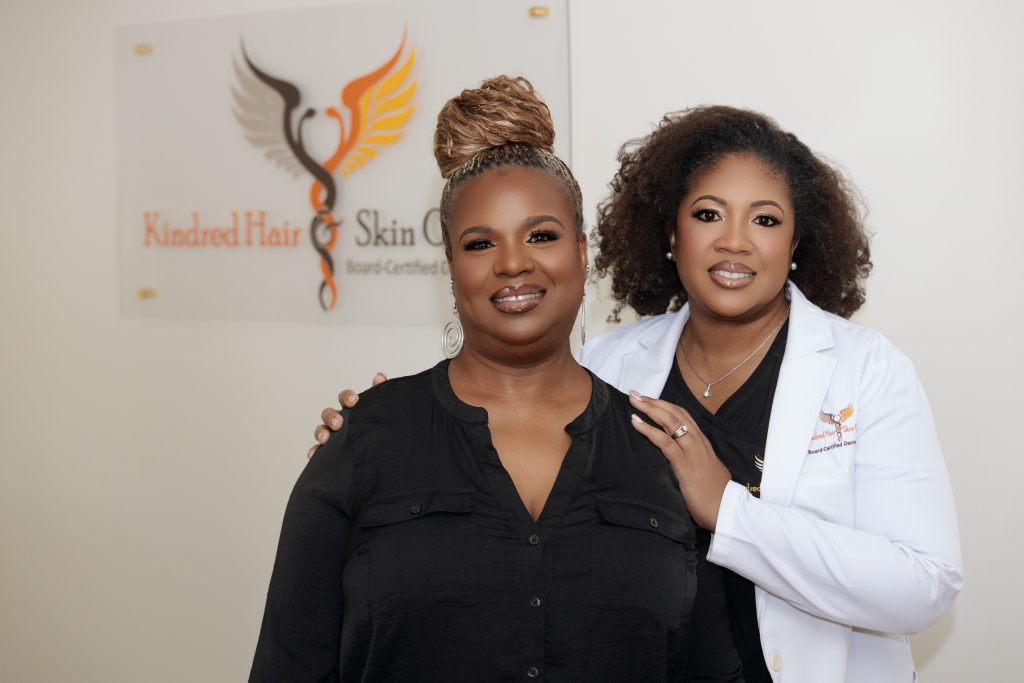
For Peterkin, the significance of the model became clear as she observed what each profession could offer the other.
“Dr. Kindred would talk about patients sometimes falling through the cracks after leaving the dermatologist’s office because they didn’t know where to go for knowledgeable and appropriate hair care,” Peterkin explains. “And on my side, I knew hair professionals were seeing things every day that they didn’t necessarily understand required medical attention.”
“We began connecting those two worlds,” she says. “Neither profession needed to become the other. We simply needed to learn how to work together.”
From one salon to a national education model
The experience at PeterKINdred led Peterkin to another question: why should the knowledge she had gained through her collaboration with a dermatologist remain limited to her own practice?
“I started thinking: Why should I be the only cosmetologist benefiting from this education?” she says. That question became S.T.R.A.N.D.
S.T.R.A.N.D. brings dermatologists and cosmetologists together through professional education designed to help hair professionals understand scalp disorders, hair loss, medical treatments, ingredient safety and the boundaries of their role in client care. Its workshops combine dermatologist-led clinical education with hands-on training for cosmetologists, including in-salon protocols for supporting clients experiencing hair loss.
REGISTER FOR AN UPCOMING S.T.R.A.N.D. POP-UP SALON OR WORKSHOP
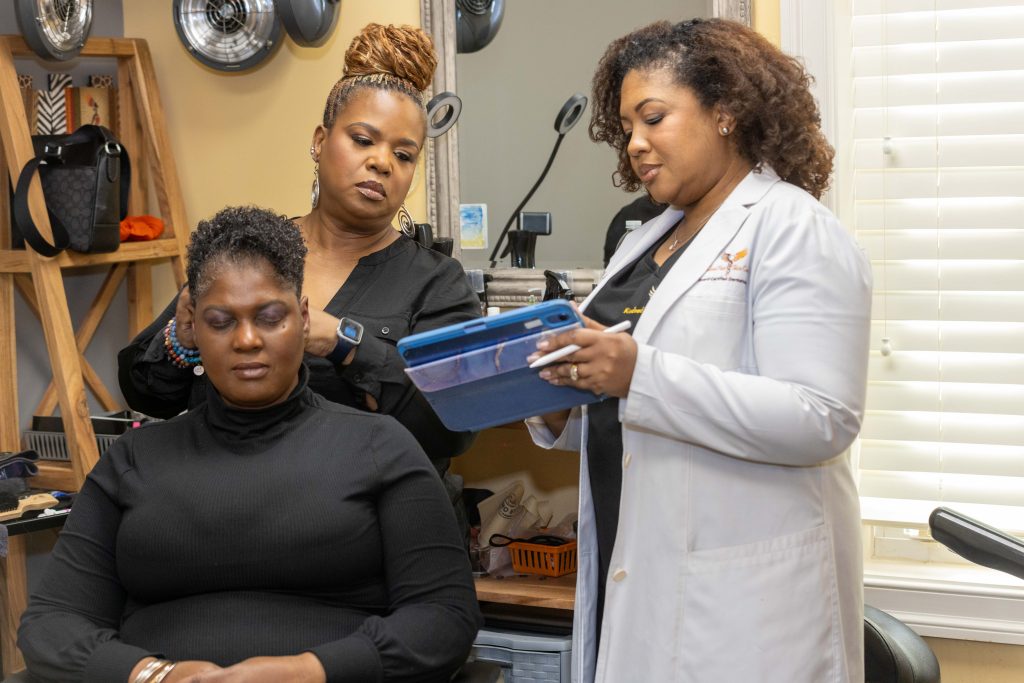
Peterkin is deliberate about what she believes the role of the cosmetologist should be.
“Hair professionals are already on the front line,” she says. “They see hair loss every day in the salon. Without appropriate education, they may unknowingly continue services or practices that aren’t appropriate for what’s happening with that client’s hair or scalp.”
The answer, she emphasizes, is not for stylists to diagnose medical conditions.
“We don’t need hair professionals diagnosing medical conditions,” she says. “We need them educated enough to recognize change, understand when something is outside their lane, document what they’re seeing and make responsible referrals.”
S.T.R.A.N.D. has developed into a substantial professional education initiative. The program has trained cosmetologists through multi-city hair-loss workshops, certified stylists through its professional network and developed relationships with dermatologists across the country. Through its workshops ,the organization reports to have certified 120 cosmetologists and worked with more than 20 dermatologists.
Its work has also attracted attention beyond the salon industry. Peterkin has spoken at the National Medical Association conference about the role cosmetologists can play in early recognition and monitoring of scalp concerns and has participated in an American Academy of Dermatology panel alongside dermatologists discussing the S.T.R.A.N.D. collaborative model.
For Peterkin, the central principle remains early recognition.
“I often say, ‘Time equals follicles,'” she says. “The earlier we recognize that something is changing and get that client to the appropriate medical professional, the greater the opportunity may be to preserve her hair.”
Bringing education back to the community
Peterkin’s work has never been confined to professionals.
S.T.R.A.N.D.’s Your Scalp, Your Skin™ community programming brings cosmetologists, dermatologists and community members together in settings designed to make conversations about scalp health and hair loss more accessible. The initiative includes education sessions, opportunities for questions and discussions about hair-care misinformation, product use and scalp health, as well as connections to local cosmetologists and dermatologists for people seeking continued care.
REGISTER FOR AN UPCOMING S.T.R.A.N.D. POP-UP SALON OR WORKSHOP
The organization has also developed a Pop-Up Dermatologic Salon model, offering free cosmetologist-led styling sessions and dermatologist-led, non-diagnostic scalp assessments with local referrals afterwards. The concept was launched as a community health activation in New Orleans and was designed to make conversations about hair and scalp health feel less clinical and more approachable.
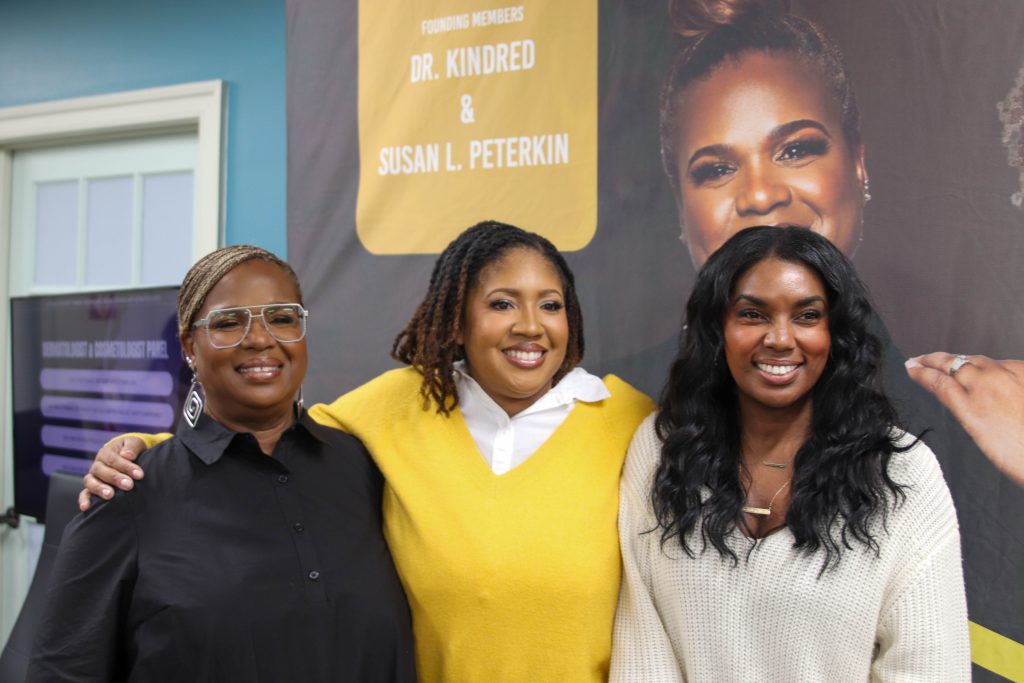
That community-facing approach reflects something Peterkin has understood throughout her career: education is most effective when people feel comfortable asking questions.
Long before S.T.R.A.N.D., she was developing programs that helped women and families become more confident in caring for natural hair themselves. Her work with children, parents and natural-hair consumers has consistently focused on making hair care more understandable and less intimidating.
The evolution from natural-hair education to scalp-health education therefore makes sense within the larger trajectory of her career.
Peterkin first wanted Black women to have better information about their hair. She later recognized that the information needed to include what happens beneath the style.
Redefining the role of the stylist
Peterkin’s larger ambition is to influence how the cosmetology profession understands its responsibility to clients.
She believes the long-term relationships stylists develop with clients give them a unique perspective. A stylist who has worked with a woman for five, ten or fifteen years may know her normal density, hairline and crown and may notice a change before she does.
“If I’ve cared for someone’s hair for five, ten or fifteen years, I know her baseline,” Peterkin says. “I know what her density normally looks like. I know her hairline. I know her crown. I know how her scalp typically looks. I may recognize that something has changed before she does.”
That observation becomes meaningful when it is supported by education.
“Observation becomes much more powerful when it’s combined with education, because it provides context,” she says. “If hair professionals learn what to observe, document those changes appropriately and understand when and how to make a responsible referral, I genuinely believe we can put a significant dent in hair loss and help more women and men retain their hair.”
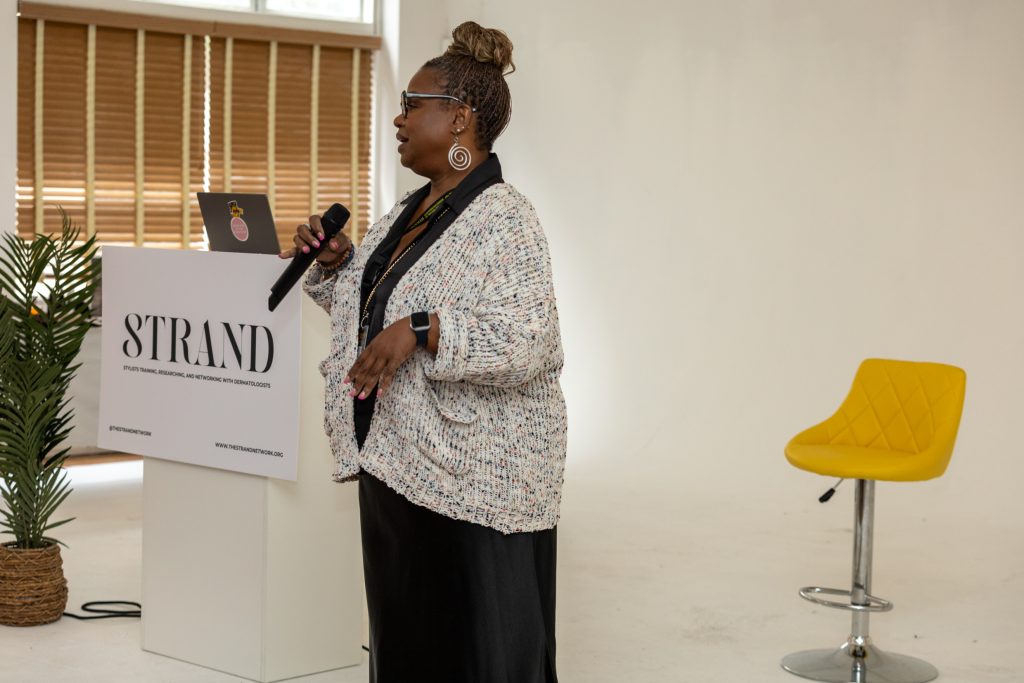
She wants that philosophy to become part of professional training rather than remain the specialty of a small number of practitioners.
“I want S.T.R.A.N.D. education in salons,” she says. “I want it in cosmetology schools. I want the next generation of hair professionals to enter this industry already understanding that observing the scalp is part of responsibly caring for the person sitting in their chair, and that collaborating with a dermatologist can actually strengthen their practice.”
REGISTER FOR AN UPCOMING S.T.R.A.N.D. POP-UP SALON OR WORKSHOP
It is a natural extension of the educational work Peterkin has been doing for decades. The difference is that the subject has expanded. The question is no longer only how Black women can better understand their natural hair, but how the professionals who care for that hair can become more knowledgeable about the health of the scalp and the changes that may occur over time.
A legacy still taking shape
There is a certain symmetry to Peterkin’s career.
The teenager who arrived in the United States from Jamaica imagined a future in corporate marketing. Instead, she became a salon owner, educator, convention founder, community advocate and industry innovator. She built a career around natural hair at a time when the industry was still negotiating how much space natural textures deserved, and she eventually moved into a field where cosmetology and dermatology had rarely been connected in a meaningful way.
She could not have planned that trajectory when she first entered the beauty industry.
“I’m a Jamaican woman who immigrated to this country at 16 years old,” she says. “I entered the beauty industry thinking I might eventually work in corporate marketing. Instead, I spent more than 40 years behind the chair, became a salon owner, experienced hair loss myself and eventually found myself helping build a bridge between cosmetology and dermatology.”
“I could never have mapped all of that out when I started.”
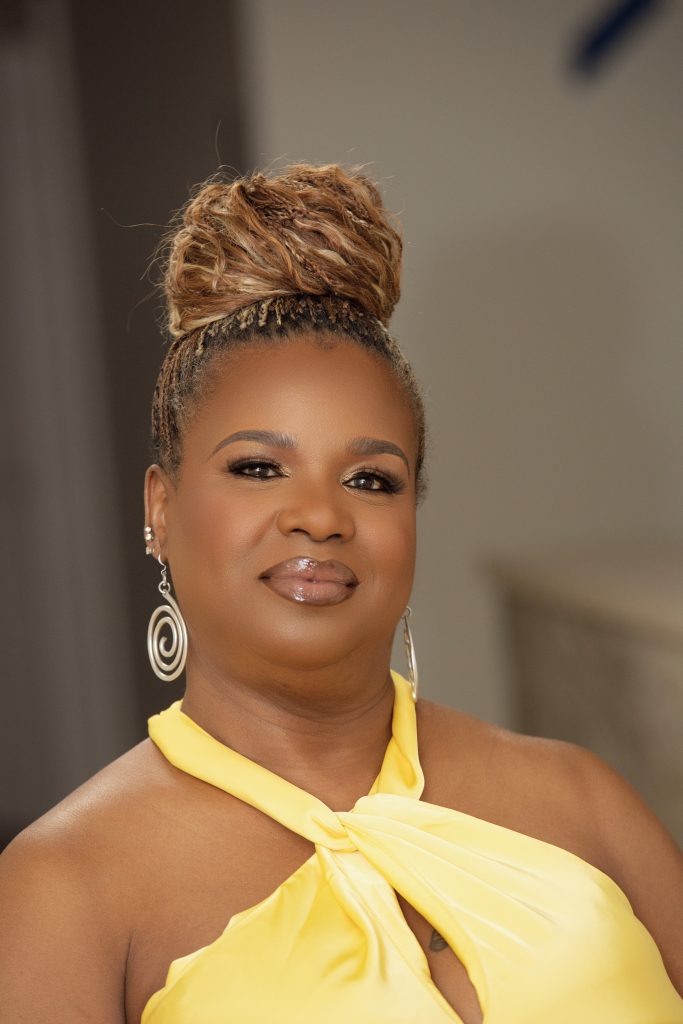
What she can see now is the thread connecting each stage of the journey: education, access, professional responsibility and a belief that Black women deserve to have better information about their hair.
“I want to leave this industry better educated than I found it,” Peterkin says. “I want hair professionals to understand that their eyes have value, their relationships with clients have value and their observations can have value—when they’re supported by education and respect for professional boundaries.”
That is the legacy she hopes S.T.R.A.N.D. will ultimately help create.
“If S.T.R.A.N.D. can help make that way of practicing standard throughout our industry, that is the legacy I want to leave,” she says.
For Susan Peterkin, changing the way Black women think about haircare has never been about prescribing one way to wear or care for their hair. Her career has been built around giving women and the professionals who serve them more knowledge, more confidence and a better understanding of what healthy hair care can look like.
After more than four decades, she is still teaching. The subject has simply grown larger.
REGISTER FOR AN UPCOMING S.T.R.A.N.D. POP-UP SALON OR WORKSHOP
AND CHECK OUT MORE ON SUSAN PETERKIN’S WORK: