Alyshia Miller Powell on Finding Yourself in the Messy Middle
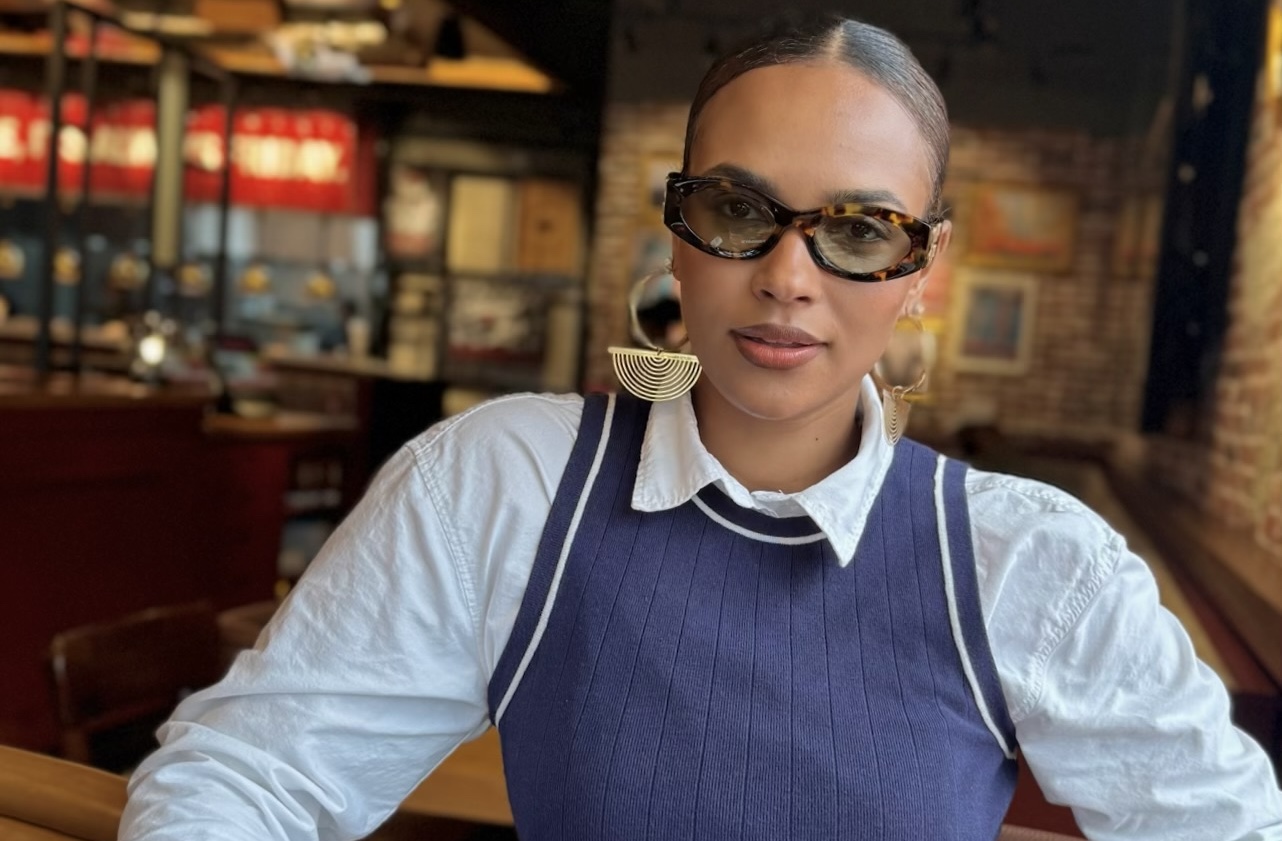
For many across the Caribbean, Alyshia Miller Powell is best known as the wife of Jamaican sprint legend and former 100-meter world record holder Asafa Powell. Together, they have built a life in Jamaica, raising their three sons and sharing their lives on their popular YouTube channel.
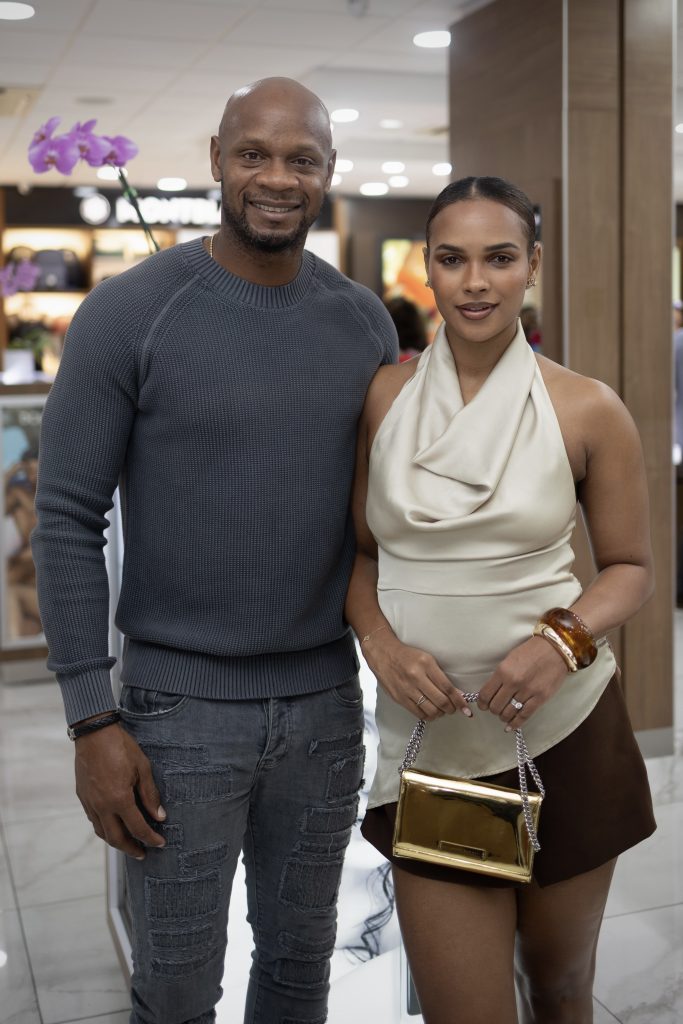
But, long before she became part of one of Jamaica’s most recognizable families, Alyshia was building an international career of her own.
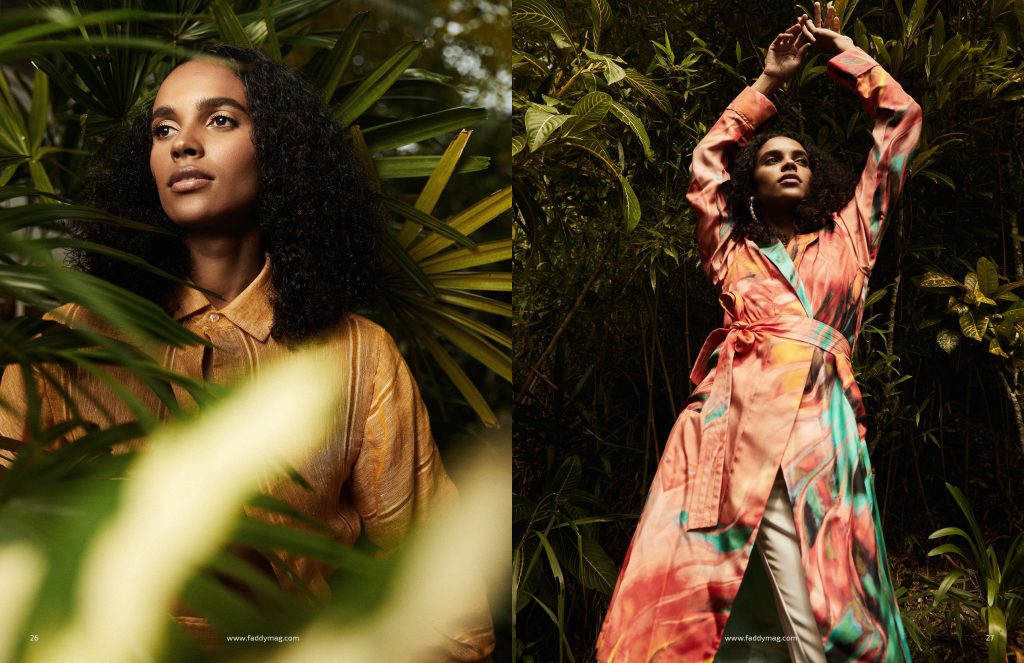
Born in Ghana and raised between English and Canadian cultures, she spent more than a decade as a fashion model, working with global brands including Saks Fifth Avenue, MAC Cosmetics, Lululemon, Macy’s, Olay, and Essence Magazine, while walking the runways of New York and Toronto Fashion Week.
Today, however, she is stepping into perhaps her most authentic role yet… as a storyteller.
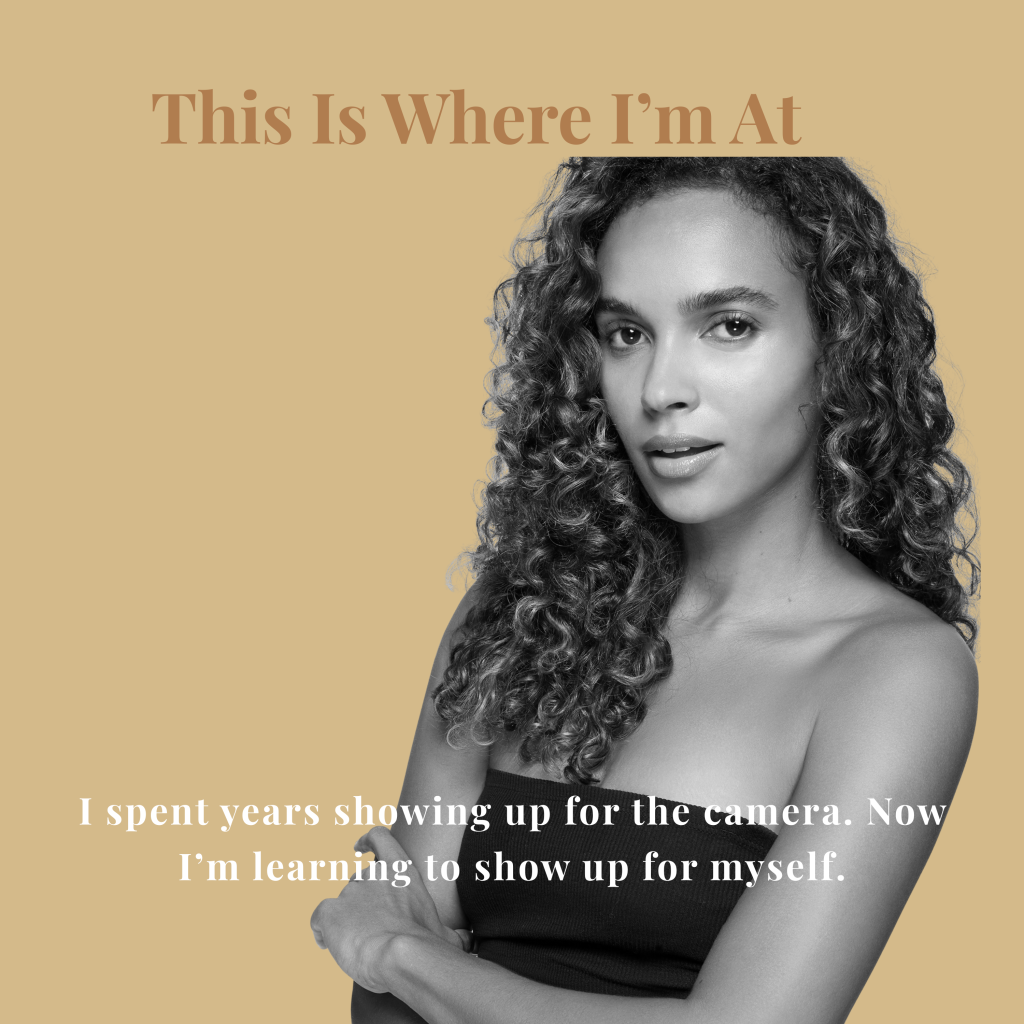
Through her podcast, This Is Where I’m At, Alyshia is creating a space for the conversations women rarely have publicly: postpartum depression, identity, anxiety, blended families, motherhood, reinvention, and the often uncomfortable process of becoming.
In a digital world obsessed with polished endings, she is choosing to document the middle: the season where life is uncertain, growth is messy, and healing is still unfolding.
It’s a courageous shift for someone whose life has largely been viewed from the outside. Rather than allowing the public to define her through the roles she holds, Alyshia is using her own voice to remind women that beneath every title is a whole person still worthy of dreams, purpose, and self-discovery.
In this interview, she reflects on vulnerability, womanhood, and why reclaiming yourself may be one of the bravest things a woman can do.
Read Our Interview with Alyshia Miller Powell
You’ve recently stepped into podcasting. What inspired you to start this new chapter of storytelling?
Alyshia: Honestly, it came from a place of needing something that was mine.
My husband and I had a podcast together, and I found a real love for the medium through that experience. But somewhere along the way, I realized I had things I wanted to say that existed outside of that space. Conversations I wanted to have just as myself—not as a wife, not as part of a duo.
I’m a mom of three, I’ve been a model, I’m building multiple things at once, and I needed somewhere that was fully mine.
The podcast became that place, where I could just talk. No filter, no brand brief, no performance. Just me figuring things out out loud and hoping someone on the other end felt a little less alone because of it.
What conversations were you not seeing or hearing that made you feel like this needed to exist?
Alyshia: I just wanted to see more of that type of content—the honest kind.
We’re all heavily consuming so much social media, and so much of it shows the finished product. The glow-up. The arrival.
And I think there was real room for more of the in-between. The climb. The part where you’re still figuring it out, still showing up, still questioning everything, and you don’t have a neat resolution yet.
We don’t talk about that part often because we’re all looking to appear polished. Nobody wants to show the messy middle. But that’s where most of us actually live.
And I wanted to create a space that said it’s okay to still be in the middle of it. You’re not behind. You’re just being honest about where you are.
That’s the conversation I wanted to have.
Because I needed it too.
How would you describe the heart or intention behind your podcast? What do you want listeners to feel or take away?
Alyshia: I want women to feel seen.
Not inspired in a way that makes them feel behind, but seen in a way that makes them feel less alone.
I want someone to press play on an episode and think, “She just said the thing I’ve been feeling but couldn’t put into words.”
That’s the whole intention.
If a woman finishes an episode and feels even a little more permission to be exactly where she is, that’s everything to me.
Starting something new can be vulnerable. What has that process been like for you so far?
Alyshia: Vulnerable is exactly the right word.
It’s been raw. Almost like a nakedness, speaking about things I haven’t necessarily ever spoken about publicly before. That part has been nerve-racking in a way I didn’t fully anticipate.
And then, on top of that, there’s the reality of balancing all of this with my household. My children who depend on me. My baby. My husband. Managing everything else that comes with our life while also scripting, recording, editing, promoting, and showing up consistently.
It’s been difficult. I won’t pretend otherwise.
It’s also been a learning process in every sense. The editing. The videos. The technology. I’m figuring it out as I go, and some days that feels overwhelming.
But then the responses started coming in. Women sharing the episodes, leaving comments that said, “This is exactly what I needed to hear.”
Women feeling seen.
And that changed everything.
There’s something exhilarating about watching someone listen to an episode and find themselves in it.
At the end of the day, this podcast is my baby. I built it from nothing, independently, and I’m proud of it.
The vulnerability became worth it.
And I feel good. Really good about what it’s becoming.
How has your personal journey shaped the kinds of stories or voices you’re drawn to highlight?
Alyshia: Everything I talk about, I’ve lived.
I’m not speaking from theory or somebody else’s experience—it’s specifically mine. And I think that’s why it resonates.
People look at me and make assumptions. They see a certain life and equate it to something soft. Easy.
And I’m grateful I don’t look like what I’ve been through—but it’s all there.
Postpartum depression. Identity crisis. Moving to a completely new country with no family, no familiar ground. Trying to fit into a whole new family dynamic while blending families at the same time.
I got married at 25, and when I look back now, I think that’s extremely young.
I was navigating heavy anxiety while trying to fit into so many moulds, so many expectations, so many versions of who I was supposed to be.
And before all of that—leaving my parents at 10. Moving from place to place. Growing up carrying things that most people would never guess just by looking at me.
It all caught up eventually.
It always does.
So when I sit down to record, I’m not performing vulnerability. I’m drawing from a very real well.
Losing friends. Attracting jealous ones. Unlearning. Relearning. Becoming a mom. Figuring out motherhood. Trying to figure out who I am on the other side of all of it.
Because life comes with no manual, and nobody told me that either.
But I also love engaging with other women’s stories. Women like my mom, who have been through things you couldn’t even imagine. Women who carry entire lifetimes quietly.
I want those voices in this space too.
Because I think when women see someone who looks like everything is fine start telling the truth, it gives permission.
It says you don’t have to look like what you’ve been through to talk about it.
We’re just getting started with unlocking these kinds of stories. And I believe if I keep leading with this level of honesty, it will inspire others to do the same. To speak up. To say, “She can relate to me.”
Because real life is messy and complicated and beautiful and hard all at once.
That’s what this podcast is.
All of it.
In what ways do you see your work contributing to a larger narrative around identity, womanhood, or creativity?
Alyshia: I think we’re in a moment where women are collectively reclaiming themselves.
And what I want this podcast to contribute to is a world where women stop abandoning themselves in the process of showing up for everyone else.
You don’t need permission to own who you are. You don’t need to shrink to fit a role. You don’t need to wait until the kids are grown or the house is quiet or life gets easier to start becoming the fullest version of yourself.
The world is your oyster, and that doesn’t expire when you become a mother or a wife or a caregiver.
There is always room to still be you.
Because underneath every role, every title, every responsibility, she is still there.
A whole person.
And she matters.
I want to speak to that woman. Beyond the roles. Beyond the who and the what and the why that the world assigns to her.
I want her to know that her identity is not something she has to earn back—it was never taken.
It just got buried.
And this podcast is one of the places she can come to remember herself.
No guilt. No permission needed.
Just the freedom to say, “I am more than my roles.”
And that is enough.
Check out Alyshia’s podcast on YouTube, Spotify & Apple Podcasts.