Amina Doherty, Rihanna, and the Practice of Trust: Reimagining Philanthropy From the Ground Up
When global pop icon, entrepreneur, and Barbadian cultural force Robyn “Rihanna” Fenty launched the Clara Lionel Foundation, she envisioned a philanthropic vehicle that could move resources closer to communities leading their own change. Helping to bring that vision to life is Amina Doherty, the foundation’s Head of Impact and Programs—a global feminist philanthropy leader whose work sits at the intersection of trust, movement-building, and community power.
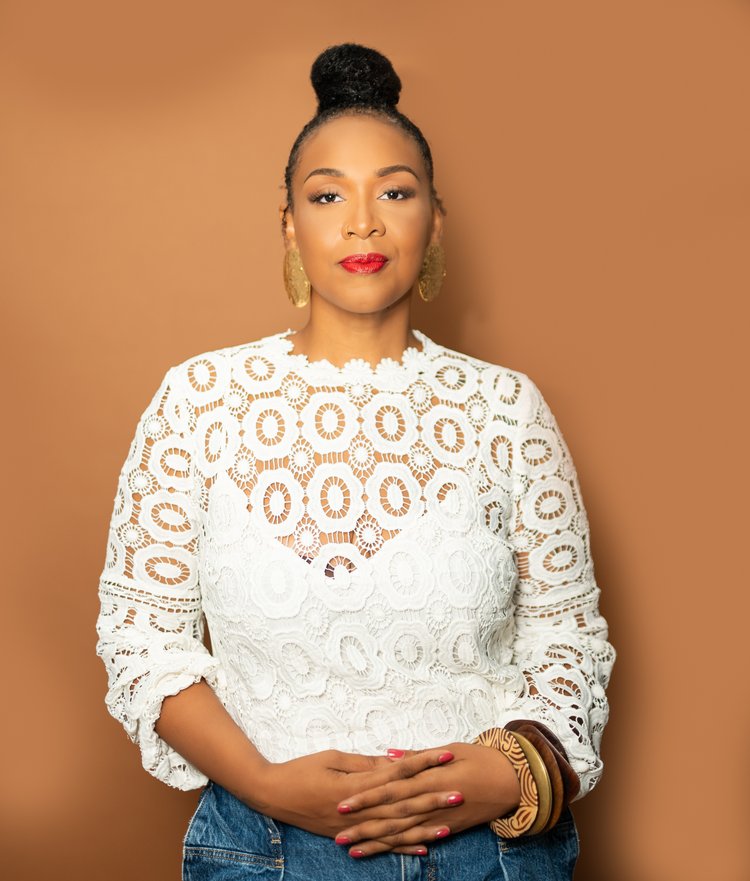
From her leadership at the New York–based Clara Lionel Foundation to her role as co-founder of the Black Feminist Fund and founder of FRIDA, Doherty has spent her career designing funding models that shift power rather than simply distribute capital. It is this approach—rooted in proximity, care, and long-term commitment—that has earned her recognition as a 2026 Women Impact Awards Honoree, presented by the Caribbean Philanthropic Alliance (CariPhil).
The Women Impact Awards will be presented during Future Forward 2026, CariPhil’s flagship forum taking place February 9–12, 2026, in Kingston, Jamaica. The Awards recognize women whose leadership across philanthropy, advocacy, business, governance, media, and community development is shaping more just and resilient futures across the Caribbean and its global networks. For Doherty, the honor reflects not individual achievement, but collective effort.
“Any recognition is really a reflection of the people and partners I work alongside every day,” she says. “Community-driven movements are essential to the Caribbean’s future.”
A Through-Line of Power and Possibility
Across Doherty’s work—whether advancing global social justice initiatives at the Clara Lionel Foundation, channeling millions of dollars to Black feminist organizations through the Black Feminist Fund, or supporting young feminist activists worldwide through FRIDA—one belief remains constant: when communities are trusted with resources and decision-making power, catalytic change follows.
“FRIDA and the Black Feminist Fund were created to shift power,” she explains. “To move money to movements that are closest to the issues and the solutions.”
At the Clara Lionel Foundation, that same philosophy guides how Doherty and her team partner across regions, including the Caribbean. Rather than imposing rigid frameworks, they prioritize community-led, locally rooted approaches that honor lived experience and cultural context.
“Real philanthropy is more than dollars out the door,” Doherty says. “It’s about showing up with care and consistency. It’s about listening, resourcing safety and wellbeing, strengthening infrastructure, and creating space for joy and creativity.”
Rethinking What Accountability Looks Like
Doherty is candid about the shifts philanthropy must make—especially in regions like the Caribbean, where climate vulnerability, economic inequity, cultural preservation, and health are deeply intertwined.
She identifies three urgent changes. The first is a move from projects to people and power, where long-term, flexible funding allows organizations to invest in their teams and imagine beyond short grant cycles. The second is a shift from extractive to relational funding models. At the Clara Lionel Foundation, this has meant rethinking accountability—simplifying reporting, prioritizing learning, and centering honest reflection over compliance.
“We highlight both data and stories,” she explains, “and use them to strengthen visibility and advocacy with funders, policymakers, and communities.”
The third shift is from siloed to coordinated work. “Caribbean life is deeply connected,” Doherty notes. “Climate, health, livelihoods, and culture all flow together. Real progress means investing in community-led solutions so the whole region can move forward together.”
A Return on Imagination
Some of the moments that most shaped Doherty’s philanthropic vision came when creativity and community care did not fit neatly into traditional funding structures.
“Working alongside community leaders and cultural workers, I’ve seen how the most powerful ideas often begin without metrics or formal plans,” she reflects. “What they build first is connection, belonging, and possibility.”
Those experiences led her to what she calls a Return on Imagination—a belief that true impact comes from trusting creativity and collective vision. When faced with systems that privilege compliance over care, Doherty has chosen to fund innovation on communities’ own terms, centering local wisdom rather than external expectations.
Why the Women Impact Awards Matter
As a Women Impact Awards Honoree, Amina Doherty embodies the purpose of the Awards themselves: to elevate women whose leadership is redefining how resources move, how power is shared, and how communities are supported across the Caribbean and its global networks.
Presented during Future Forward 2026 in Jamaica, the Women Impact Awards are more than recognition—they are a call to action. They spotlight women-led, community-driven solutions and challenge philanthropy to move with greater trust, flexibility, and long-term commitment.
Doherty hopes the recognition helps catalyze momentum in three areas: more flexible capital reaching community-led groups; more convenings that foster learning across the region and the diaspora; and more storytelling that centers Caribbean solutions, not just Caribbean challenges.
She also sees deep value in the women-led network being cultivated by CariPhil. “Philanthropy must stay the course, align with local leadership, and resource the innovation already underway,” she says. “We are always stronger when we move together.”
Leading With Care
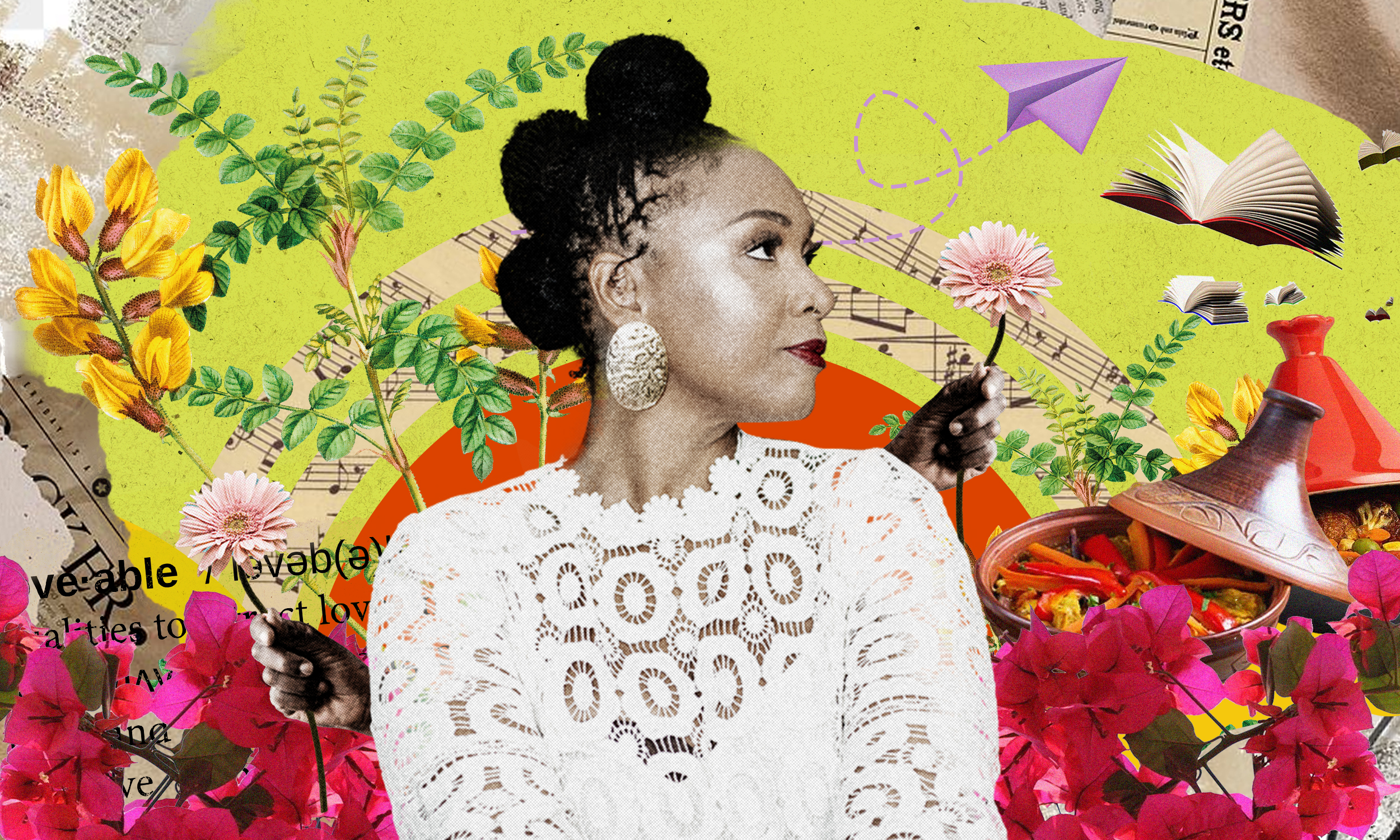
A creative at heart, Doherty draws inspiration from music, food, and travel—by the ways culture sustains community and memory. That sensibility shapes her leadership, which resists urgency without care and impact without humanity.
In honoring Amina Doherty at Future Forward 2026, the Women Impact Awards recognize a leader who understands that trust is infrastructure, imagination is strategy, and lasting change begins when communities are resourced to lead themselves.